Contents · About 5 min read
📱 View as card news


Last month, this blog covered the news that Leicester City had gone up for sale.
Back then the focus was on King Power Stadium’s unusual naming-rights structure and the sale announcement itself, but a little over a month has passed since and the sale process has moved forward in concrete ways, so I decided to check back in on Leicester today.
The deadline for first-round bids has come and gone, real bidder names have started showing up in the press, and the club’s ownership has even put out an official statement.
I’m covering the same club twice, but this time it’s a deliberate follow-up: not the sale announcement itself, but how the negotiations have actually played out over the past month, seen from a working marketer’s angle.
The Sale Process and the Bidding War
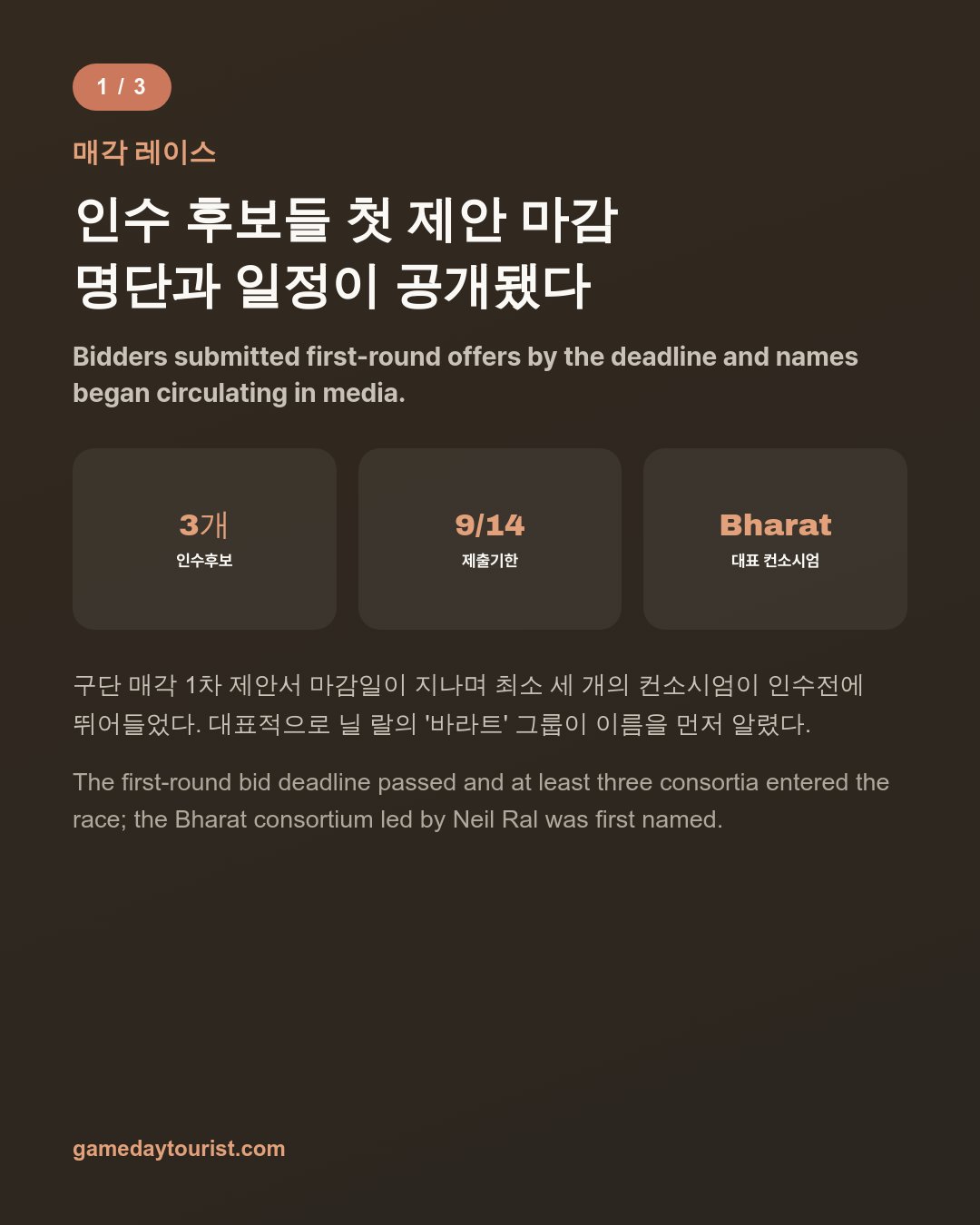
King Power, the group owned by Leicester’s Thai Srivaddhanaprabha family, set September 14 as the deadline for first-round bids from would-be buyers.
Reports suggest at least three consortiums have entered the race so far. The first to go public was the “Bharat Consortium,” led by Scottish-Indian businessman Neil Lall (a structure where four investors split the stake 25% each), and Saudi entertainment and boxing promoter Turki Alalshikh, whose bid for Derby County fell through this summer, has also been floated as a candidate.
Citigroup, the sale’s lead advisor, is still circulating the sale prospectus under the name “Project Lineup,” as covered in the last post.
What’s interesting is the club’s official statement that came out the following day, September 15.
It confirmed that King Power converted an £8.5 million loan (roughly ₩1.63 billion) to the club into equity, and once that got out, some speculated the sale might be off.
But a local Leicester-focused outlet read the move as a routine financial step tied to funding the season’s operating budget, arguing it should be treated separately from the actual sale negotiations.
From a marketer’s perspective, a sale where the owner walks away completely and one where the owner keeps funding operations while looking for a new buyer send very different signals.
King Power still putting real money into running the club at this stage reads to me as a sign this isn’t a fire sale, at least not yet.
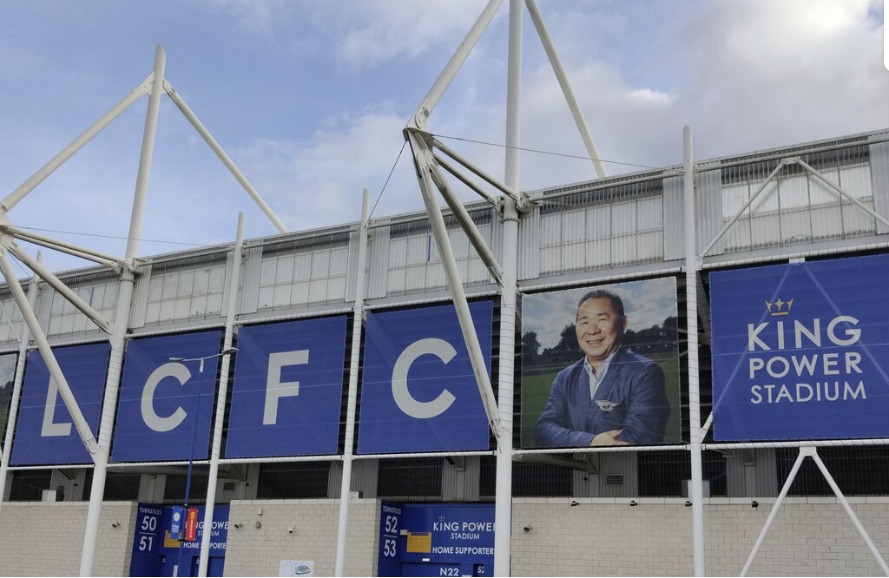
Source: Geograph Britain and Ireland (Mat Fascione) · CC BY-SA 2.0 · photographed April 5, 2022, the day after the unveiling (April 4) of the statue of former chairman Vichai Srivaddhanaprabha — presumed to be a tribute banner to the owning family
What the Finances Say About Why It’s for Sale
The last post already covered how sharply Leicester’s broadcast revenue fell after relegation to the third tier, so this time let’s look at the numbers actually on the negotiating table.
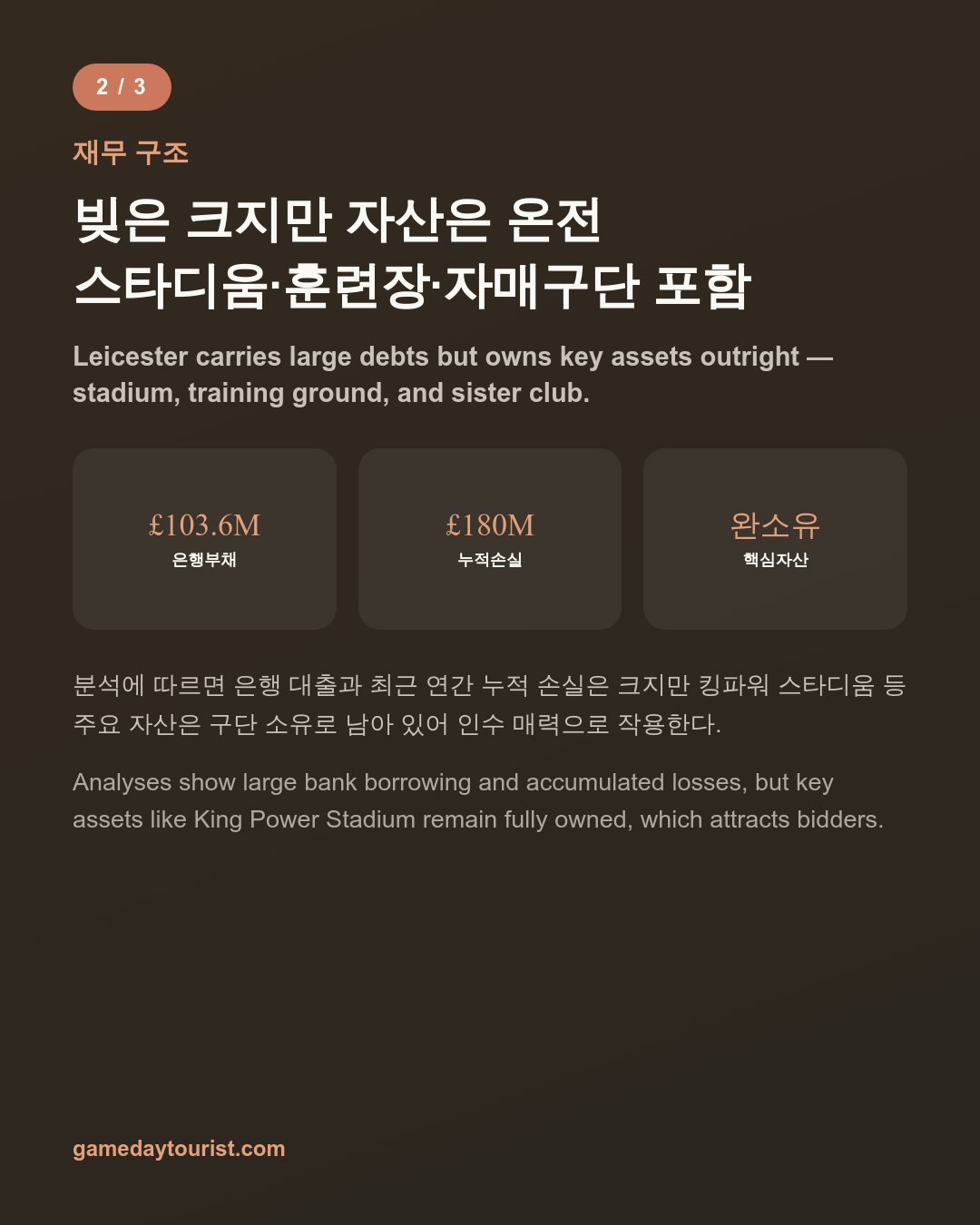
According to one outlet’s analysis, Leicester’s bank loans total £103.6 million (roughly ₩198.2 billion), and cumulative losses over the three years from 2023 to 2025 run past £180 million (roughly ₩344.3 billion).
On the other hand, the same analysis notes that the assets up for sale — King Power Stadium, the Seagrave training ground, and Belgian sister club OH Leuven — are all fully owned outright.
That combination, heavy debt but assets held free and clear, is ironically part of why bidders keep lining up.
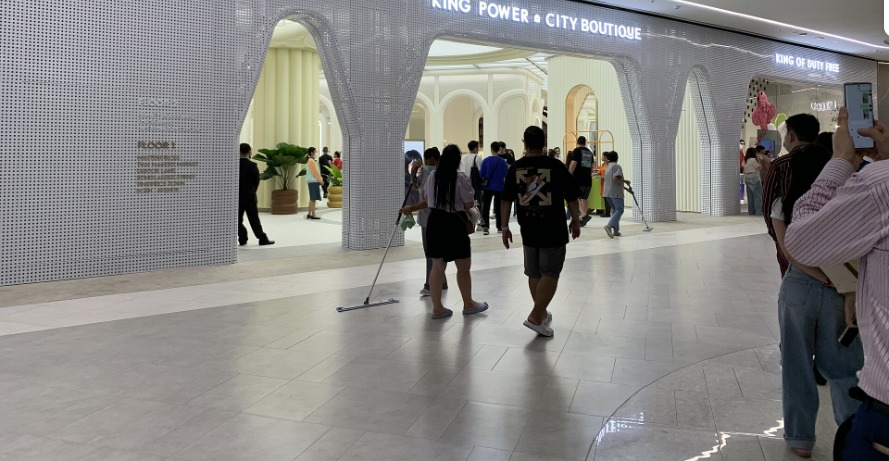
Source: Wikimedia Commons (Chainwit.) · CC BY-SA 4.0 · photographed October 26, 2024 — a Thai duty-free store, the core business of Leicester’s owner, King Power Group
The Valuation Dispute Over the Sale Price
There’s also a clear split in how people see the sale price.
King Power’s asking price is more than £200 million (roughly ₩382.5 billion), but Charlie Methven, a former Sunderland director well versed in football club management, said on a podcast that he’d heard King Power was actually considering selling for as little as £140 million (roughly ₩267.8 billion).
He added that even that figure needs to be approached carefully once the club’s real debt and asset value are factored in.
As a working marketer, I find the price debate itself interesting.
With only 20 Premier League spots to go around and clubs like this rarely coming to market, several analyses agree that price here tends to be set more by scarcity and pent-up demand from would-be buyers than by traditional valuation methods.
Sold Out Season Tickets Even in League One — the Asset Called Fandom
Separate from the sale talks, the fan numbers were the more interesting part to me.
The last post noted that the 2026-27 adult general-admission season ticket price was frozen at £404; checking back with the club’s official announcement, all 23,500 season tickets for this season had already sold out.
The fact that a club now in the third tier has a sold-out season ticket allocation says something, in hard numbers, about a fan base that holds regardless of results or league level.
Reviews on international stadium-review sites tell a similar story: the facility’s reputation has stayed consistently solid regardless of league tier.
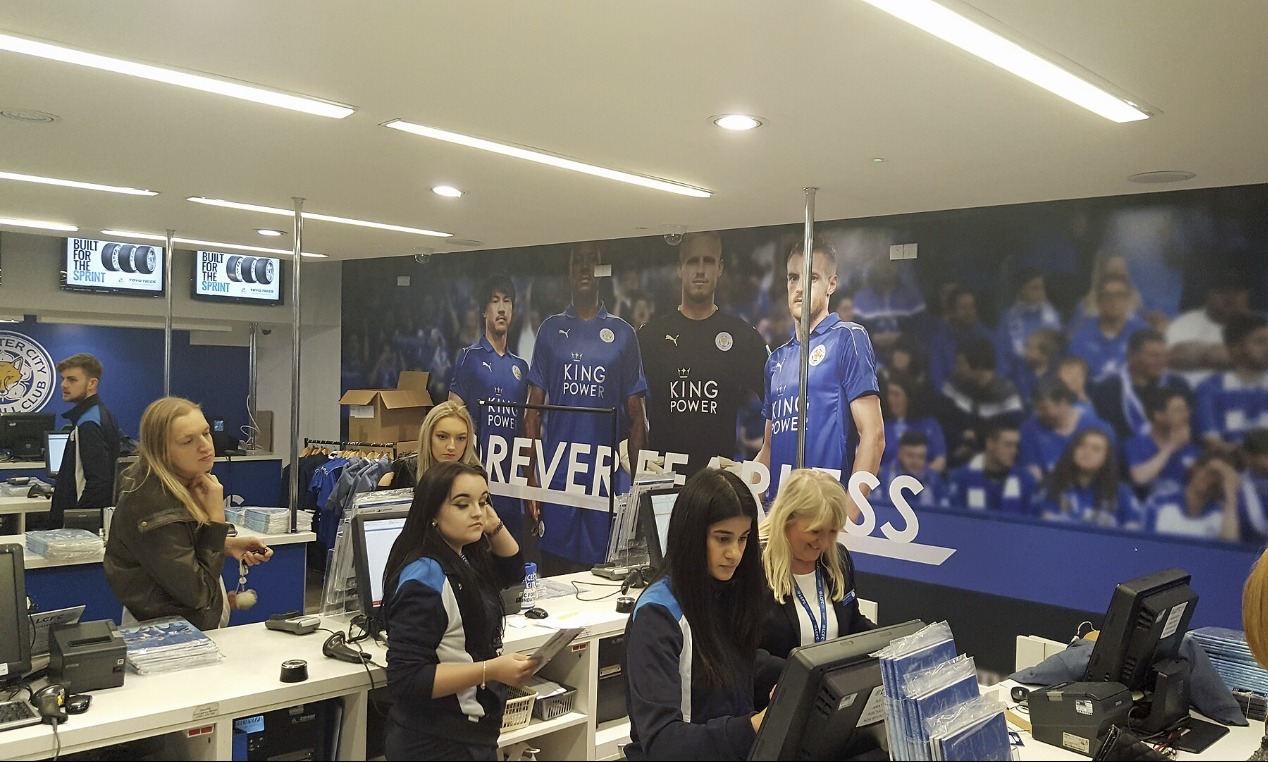
Source: Wikimedia Commons (Thomas Dahlstrøm Nielsen) · CC BY-SA 4.0 · interior of the Leicester City fan shop at King Power Stadium
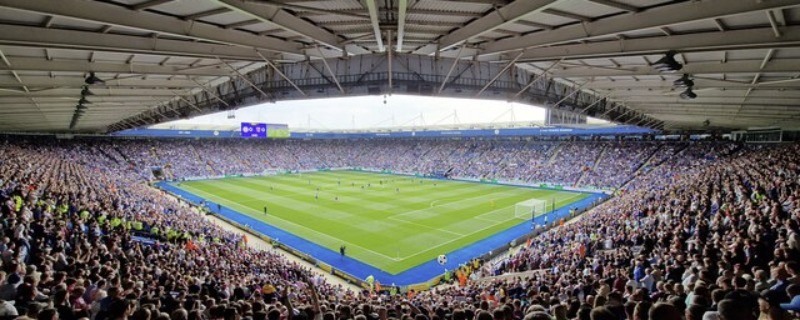
Source: Geograph Britain and Ireland (Elliot Smith) · CC BY-SA 2.0 · photographed May 28, 2023, during the club’s Premier League days
A Look at the K League
Korea has its own case of a fan base holding up after relegation.
When Seongnam FC dropped to the second division (then called the Challenge League) at the end of the 2016 season, reporting from the time shows that as of January 2017, season-ticket sales were moving more than twice as fast as the same period the year before, when the club was still in the top flight.
Sales to children and families jumped more than fivefold, which also stands out.
In that sense — relegation not automatically meaning fans walk away — it echoes the Leicester story.
The biggest difference, though, is that the club itself is up for sale here.
Most Korean pro sports clubs are held long-term by a parent company, so the scene playing out at Leicester, with real bidders competing and an investment bank like Citigroup running the sale process, feels unfamiliar by comparison.
How the sale negotiations actually wrap up, and whether the season-ticket sellouts keep coming under new ownership, are both things worth watching going forward.
Leave a Reply