Contents · About 7 min read
📱 View as card news
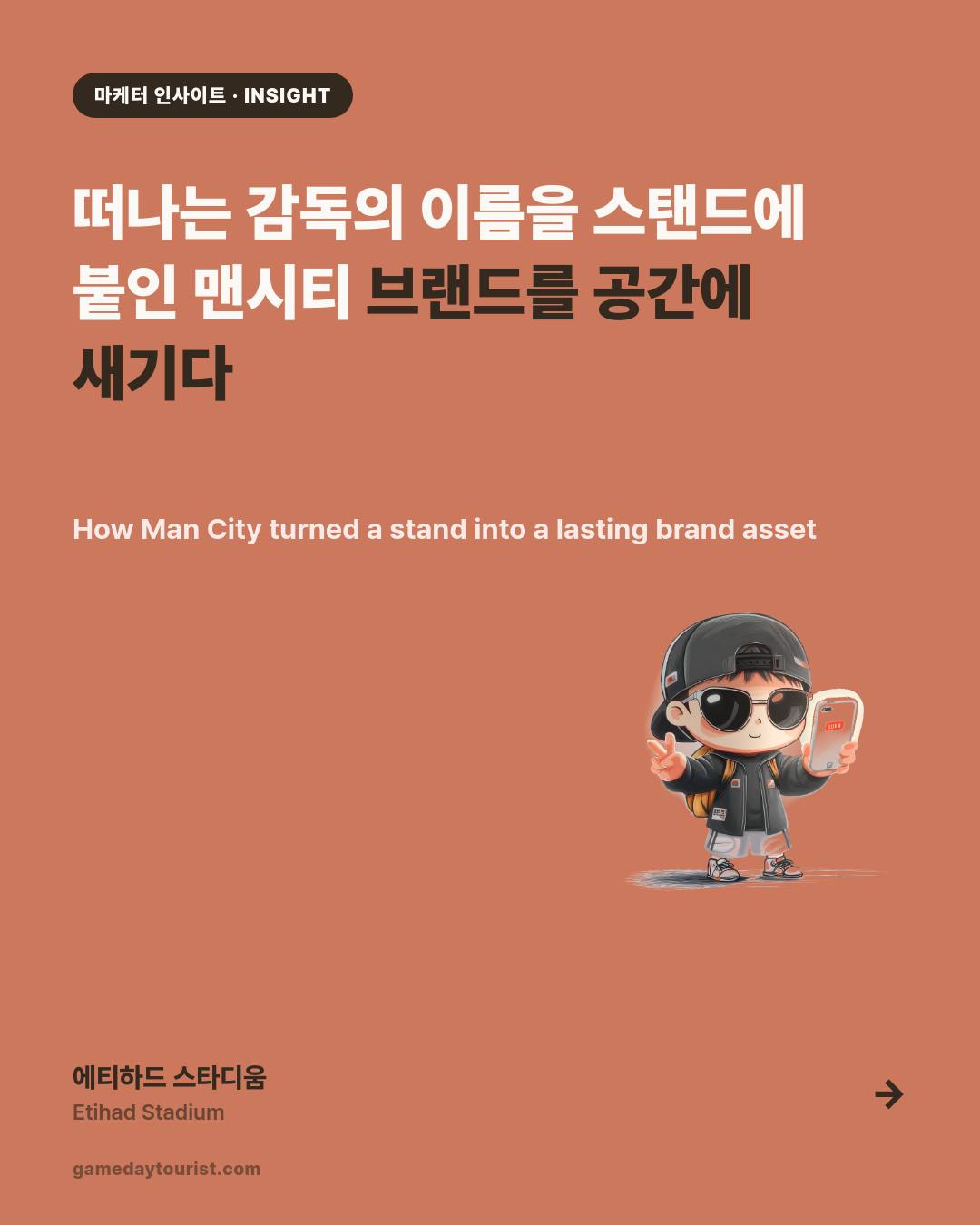
I caught up belatedly on the K League All-Stars vs Manchester City friendly held at Seoul World Cup Stadium on August 5 and ended up taking another look at the club.
The score was 3–1 to Manchester City, and K League’s consolation goal was scored by Kim Dae-won. What was disappointing was the sense that domestic football enthusiasm has cooled — there were many empty seats here and there.
What caught my eye more than the score was the bench.
Pep Guardiola, who led Manchester City for the past decade and lifted 20 trophies, is leaving at the end of this season, and Enzo Maresca, who arrived from Chelsea, recorded his first win in charge in this match.
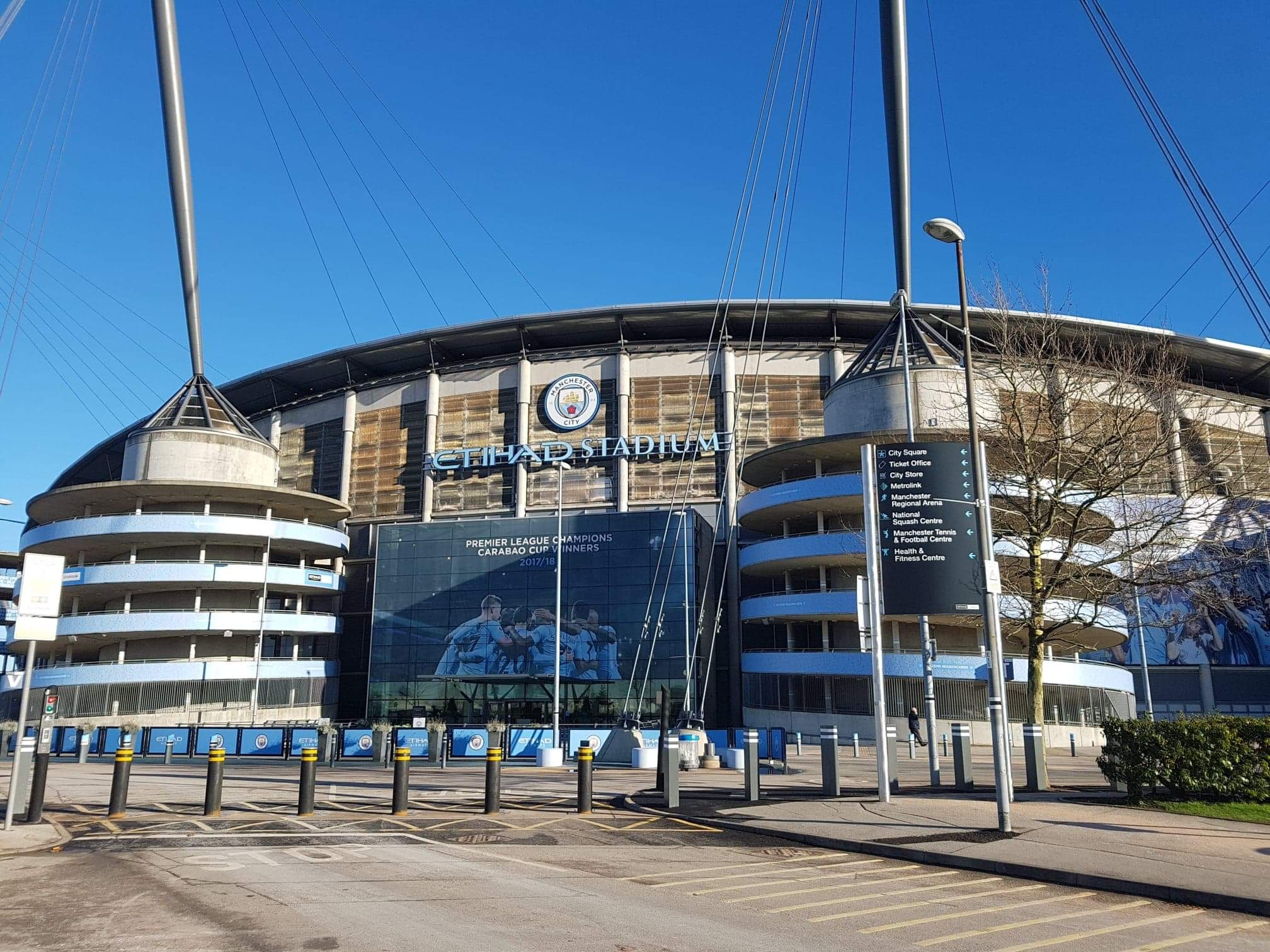
With a complete managerial change underway, I got curious about how the club manages its brand, so I decided to revisit the home ground, the Etihad Stadium.
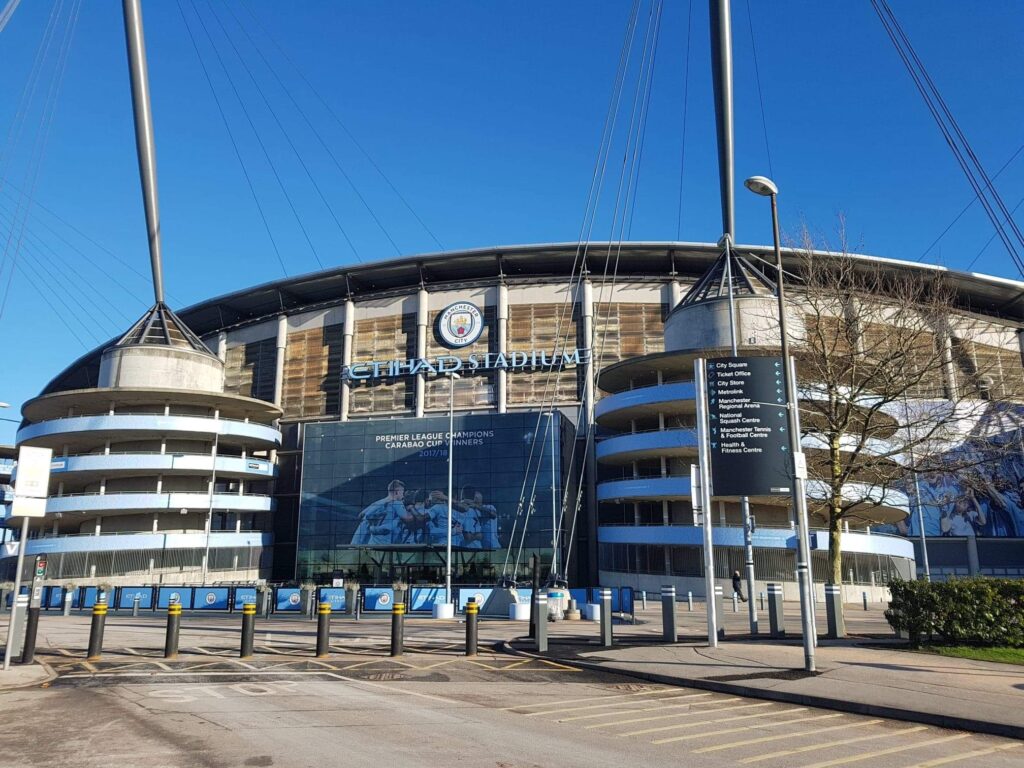
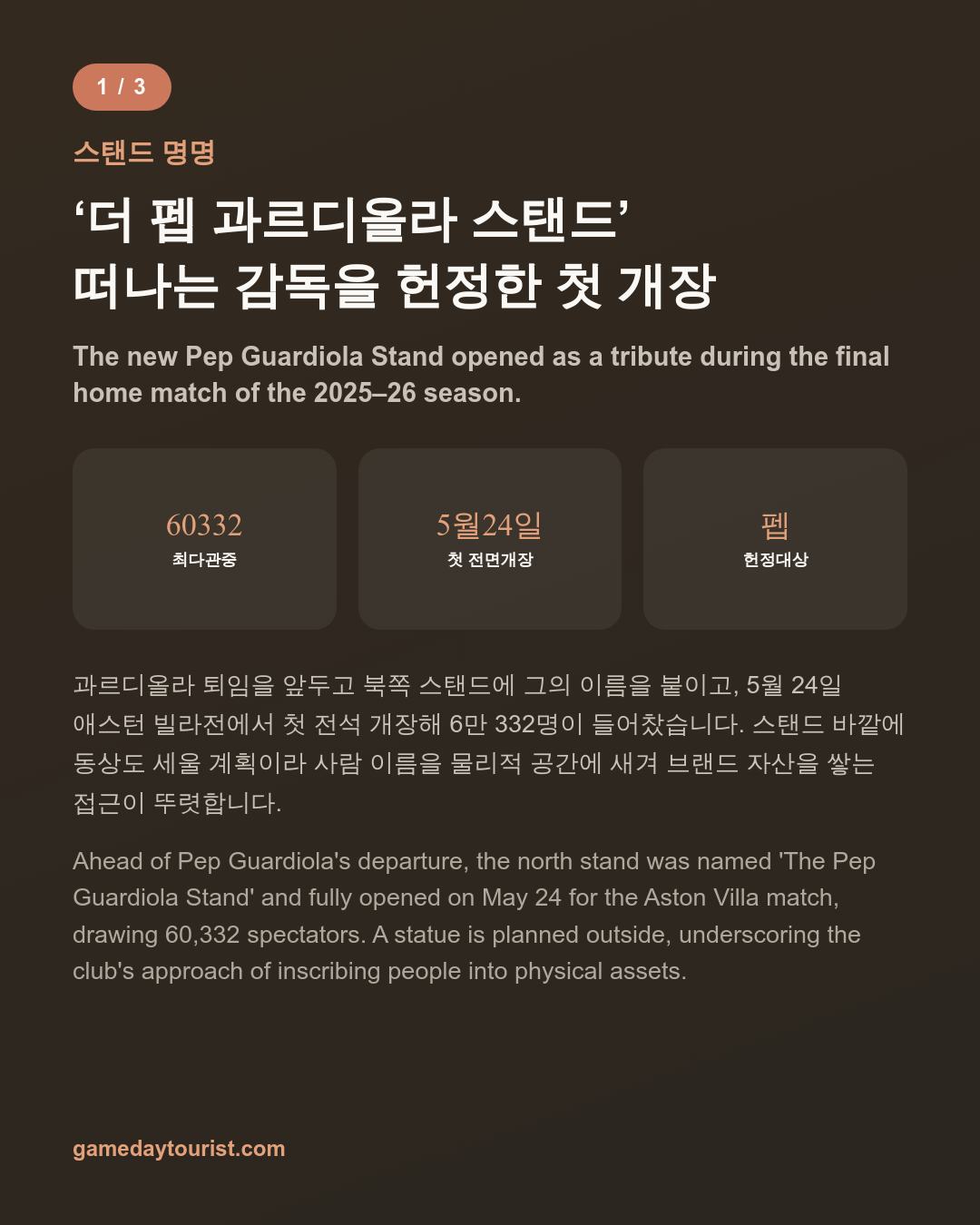
Coincidentally, just before Guardiola’s departure, Manchester City decided to name the north stand — then undergoing expansion — after him.
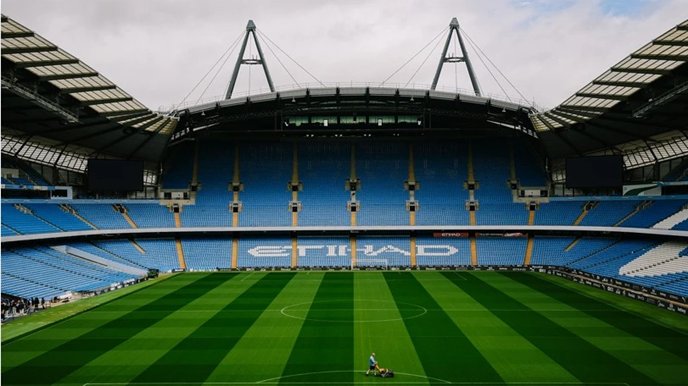
The stand, named “The Pep Guardiola Stand,” fully opened on May 24 at the final home game of the 2025–26 season against Aston Villa, when the attendance reached 60,332.
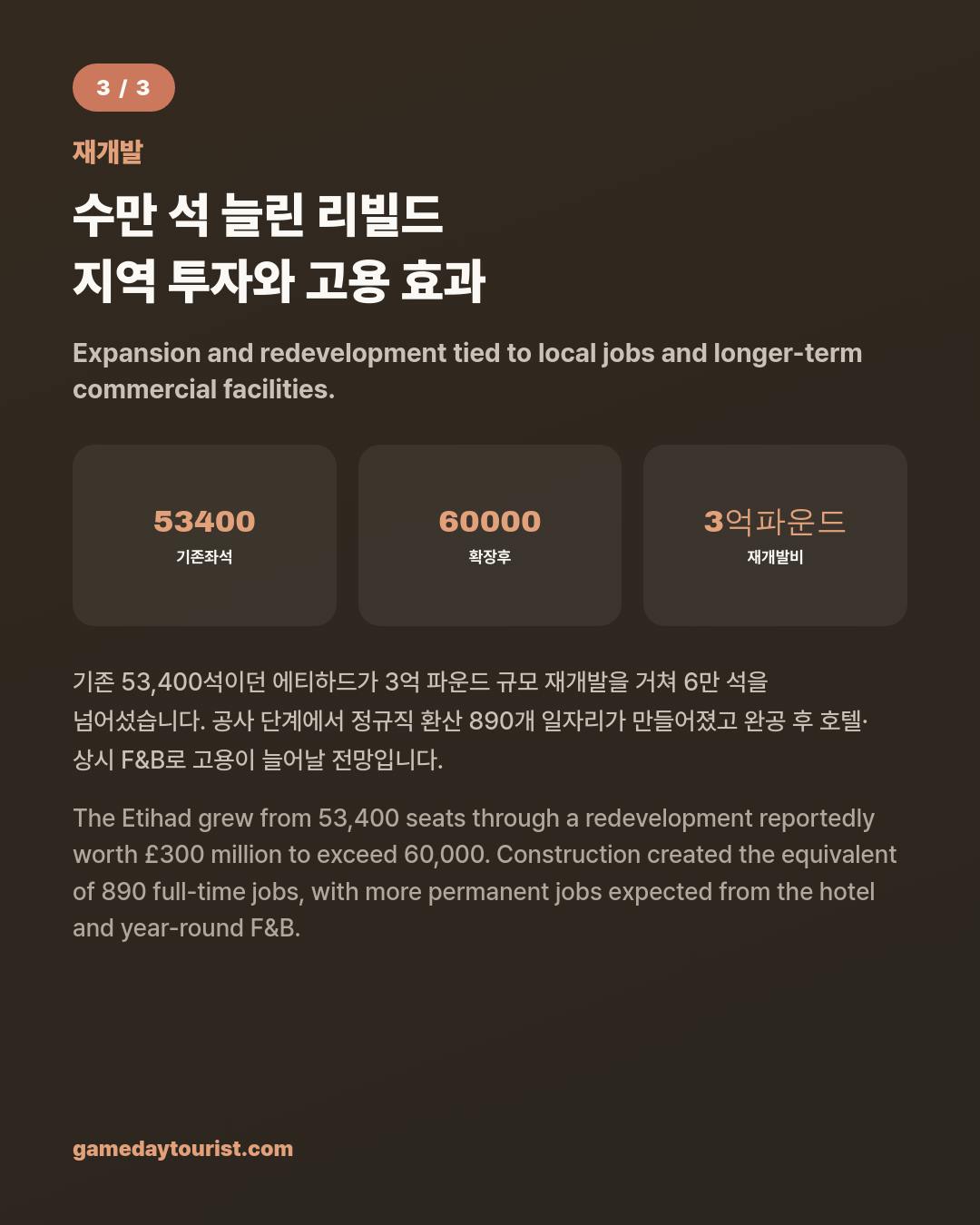
This marked the moment the Etihad Stadium, previously 53,400 seats, exceeded 60,000 after a redevelopment project worth around £300 million — and served as a tribute to the departing manager.
The club also plans to erect a statue of Guardiola outside the stand, so the approach of engraving a person’s name and likeness into physical space as brand assets is striking.
Source: mancity.com (official club website) — screenshot of the article naming “The Pep Guardiola Stand”
Fans and Attendance
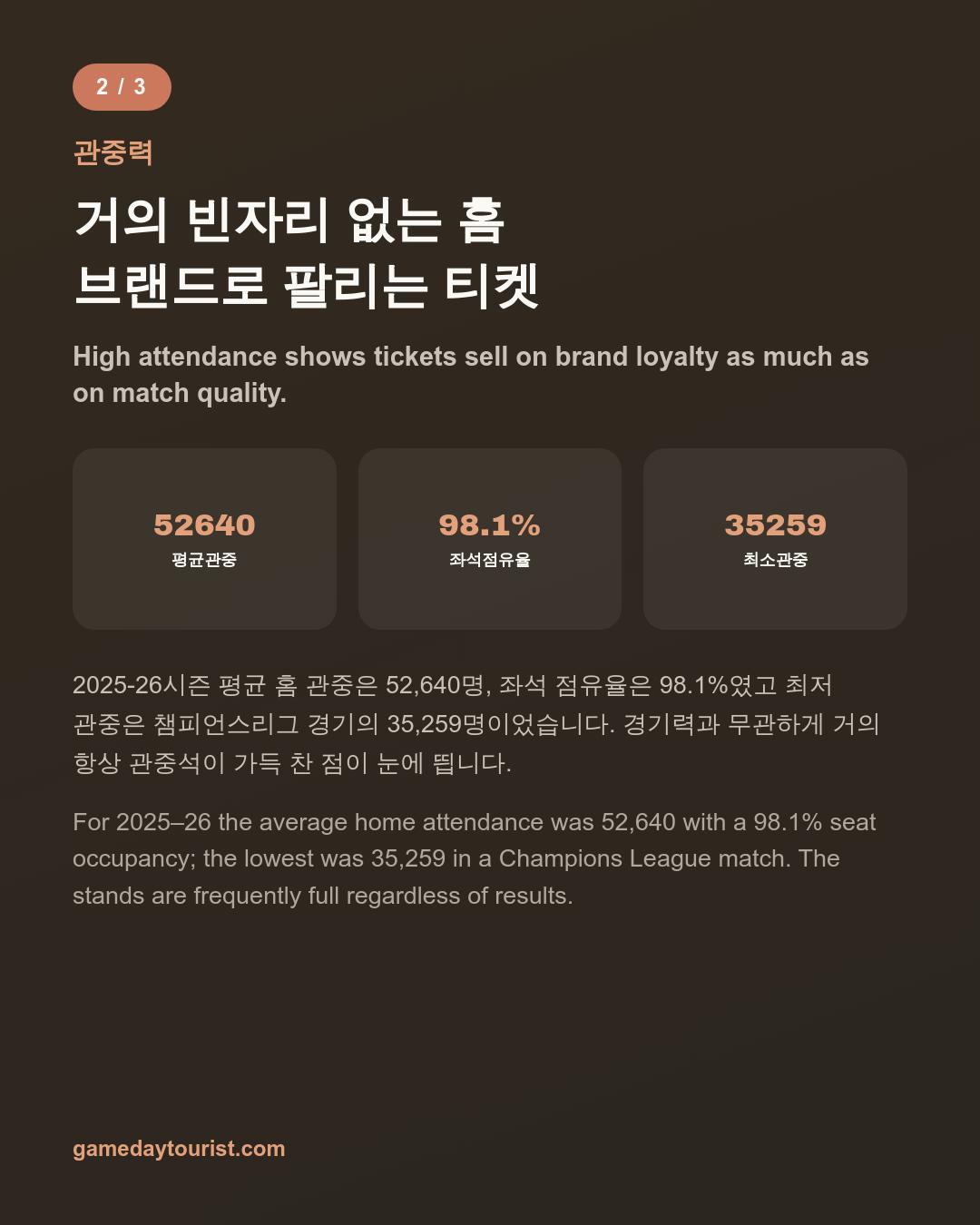
By numbers, the Etihad Stadium’s ability to draw crowds is among the top in the Premier League.
The 2025–26 season average home attendance was 52,640, a seat occupancy rate of 98.1%. The highest attendance was the aforementioned 60,332 (Aston Villa), and the lowest was 35,259 for the Champions League match against Galatasaray.
That season’s title went to Arsenal, who returned to the top of the Premier League after 22 years, while Manchester City finished second with 78 points.
Regardless of results, the fact that the stands are almost always full suggests the club’s ticket products sell on loyalty to the brand itself rather than on the day’s performance.
One marketing study found Manchester City is second in the Premier League by search volume, yet only 5.3% of that search traffic comes from within the UK — the lowest among the 20 clubs — which indicates their fanbase is evenly spread around the world.
More than 400 official supporters clubs worldwide back this up.
Space Use and F&B
The concourses (the circulation and amenity spaces behind the stands) were noticeably widened after recent remodeling.
Facility guides noted that the away fans’ concourse is particularly spacious compared with other Premier League grounds, and many reviews praised the accessibility of toilets and concession stands.
Notably, the concession menu officially includes loaded fries with a “Korean barbecue” flavor — a loaded fries item topped with cheese, bacon and other toppings in addition to burgers and hot dogs.
Safe-standing areas (sections designed to allow fans to stand safely during matches) operate permanently in parts of the south and north stands, and accessibility programs are considered among the best in the Premier League, including hearing loops for the hearing impaired (attempted several times by domestic pro clubs), audio-descriptive headsets for visually impaired supporters, and expanded changing places toilets for severely disabled fans who need mobility assistance.
However, the same guide pointed out that ticket and security checks before entry can be somewhat lengthy, with at least two checkpoints. From a marketer’s perspective, such inconveniences look like a trade-off the club accepts to preserve safety and a premium image.
Advertising Inventory and Naming Rights
The very name Etihad Stadium comes from a naming-rights deal with the airline Etihad.
The stadium was renamed in 2011 under a 10-year contract with the Abu Dhabi state-owned airline. The contract amount was never officially disclosed, and local media only reported it as being worth “hundreds of millions of pounds.”
What’s interesting is the stadium’s ownership.
The land and buildings remain owned by Manchester City Council, and the club uses them under a long-term lease. The council agreed to receive an additional £20 million over five years (about £4 million per year) in return for granting the naming rights. This arrangement is similar to agreements between domestic pro clubs and city governments.
A football finance analyst’s 2024 estimate suggested Etihad may be paying about £15 million per year just for the naming rights, and about £80 million per year for the full package including kit sponsorship and naming rights for the training campus. These are external estimates, not figures officially released by the club.
Additionally, kit manufacturer Puma signed a 10-year extension in 2025 (estimated total around £1 billion), crypto exchange OKX handles sleeve advertising, Asahi Super Dry sponsors training wear, and over 36 partners fill the advertising inventory divided into “global” and “regional” tiers.
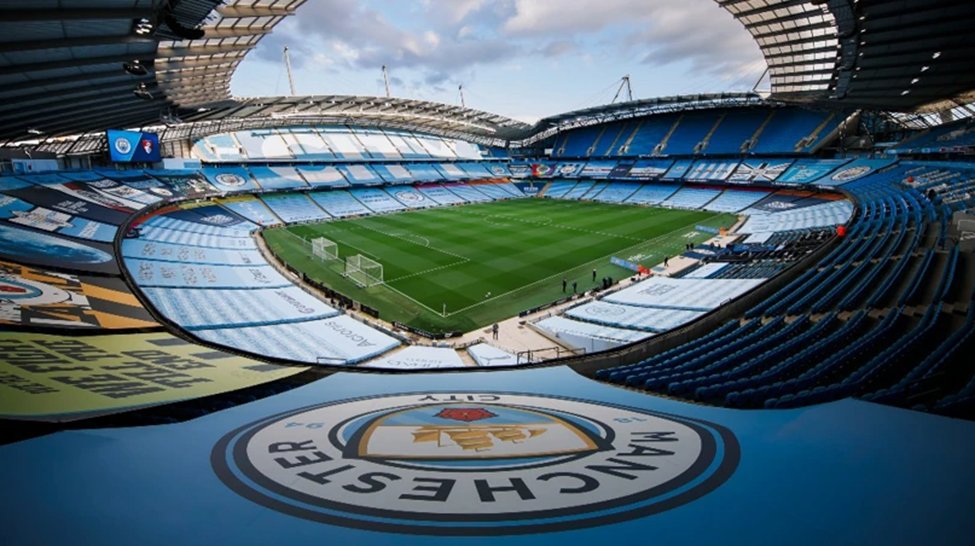
Source: mancity.com (official club website) — screenshot of the Etihad Stadium introduction page
Tickets
For the 2025–26 season, standard matchday tickets were priced between £30–£60 for adults and £15–£30 for youths, depending on category.
However, tickets aren’t available to just anyone immediately — you must first join the matchday membership (adults £25–£35, youth £20) to be eligible to purchase tickets.
The club recently reduced the lowest price bands by up to 43% and the highest by 22%, which lowers the actual price barrier while keeping the membership entry requirement in place.
Broadcasting Rights
This is what I personally envy most. Broadcast rights (the money broadcasters pay the league and clubs to show matches) for the Premier League were sold in a deal worth £13.2 billion for 2025–29, with international rights accounting for £6.5 billion — nearly as large as the domestic rights at £6.7 billion.
Because the league office sells international rights collectively for the entire league and then distributes revenue based on performance, individual club shares of international rights aren’t disclosed separately. However, Manchester City received £176 million in broadcast distribution payments for the 2023–24 season, the highest among the 20 clubs.
Local Engagement and Economic Impact
Since City Football Group acquired the club in 2008, it has invested more than £700 million in East Manchester.
For the stadium expansion alone, the construction phase created the equivalent of 890 full-time jobs, 70% of which were filled by local workers.
After completion, a 401-room hotel (operated by Moxy and Radisson) and year-round food and beverage outlets will open, turning many matchday-only jobs into permanent positions.
Part of the site will include a swimming pool that the club will partly fund, representing a development model where the local council and club share the development benefits.
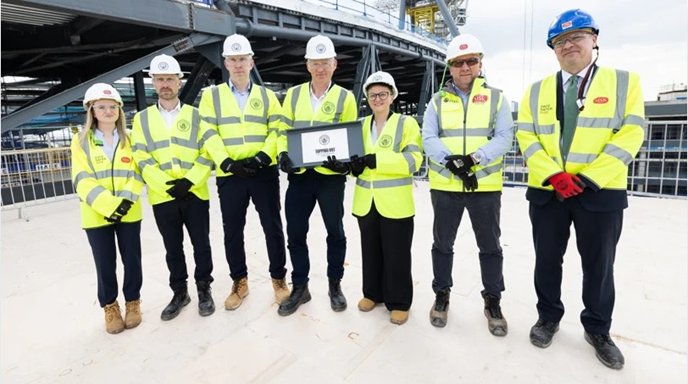
Source: mancity.com (official club website) — screenshot of the “topping out” ceremony article
Stadium Symbol — “Blue Moon”
There is a song that unfailingly rings out at the Etihad just before kickoff.
The pop song “Blue Moon,” written in 1934, was originally a chant sung by fans of Crowborough Alexandra but was picked up by Manchester City supporters during an away match at Liverpool in 1989 and became the club’s signature anthem.
Coincidentally, City hadn’t won an away match in over four years at the time, and the song title — “once in a blue moon” — neatly matched the team’s situation then, which is said to have helped the chant stick.
Today, regardless of results, the whole stadium sings the song as a ritual just before the players enter for every match.
The decision to name the stand after Guardiola can be seen in the same light.
Whether a song or a person’s name, adding long-lasting symbols into physical space is a way to give the brand depth over time.
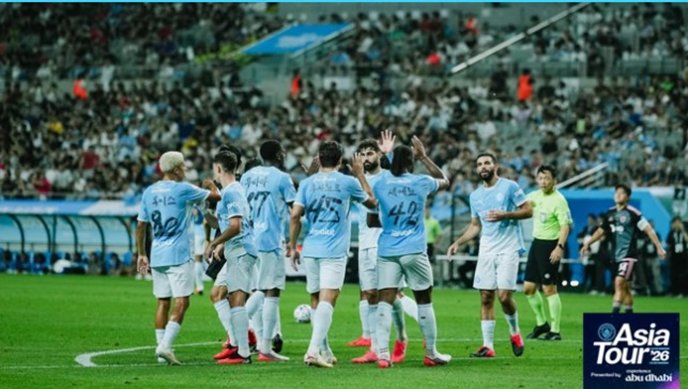
Source: mancity.com (official club website) — screenshot of the K League All-Stars match report
Comparing with the KBO and K League
Coincidentally, the K League and Manchester City actually met on the pitch this week.
The friendly at Seoul World Cup Stadium itself is a benchmarking case.
The reason Manchester City runs Asian tours to places like Hong Kong and Seoul every summer is not simply for events but as marketing to meet fans — since most search traffic comes from outside the UK — and to recruit new members.
K League clubs are trying to expand their Asian fandom through overseas tours and signing star players, but league-level international broadcast sales and paid membership structures like matchday memberships remain relatively underdeveloped.
Also, like the Etihad, where the site is owned by the local authority and the club operates under a long lease, the model of keeping rent low while the club invests in facilities and local employment during redevelopment is similar to many domestic pro baseball and football grounds, and is a useful reference for negotiations with local governments.
Leave a Reply