Contents · About 3 min read
📱 View as card news
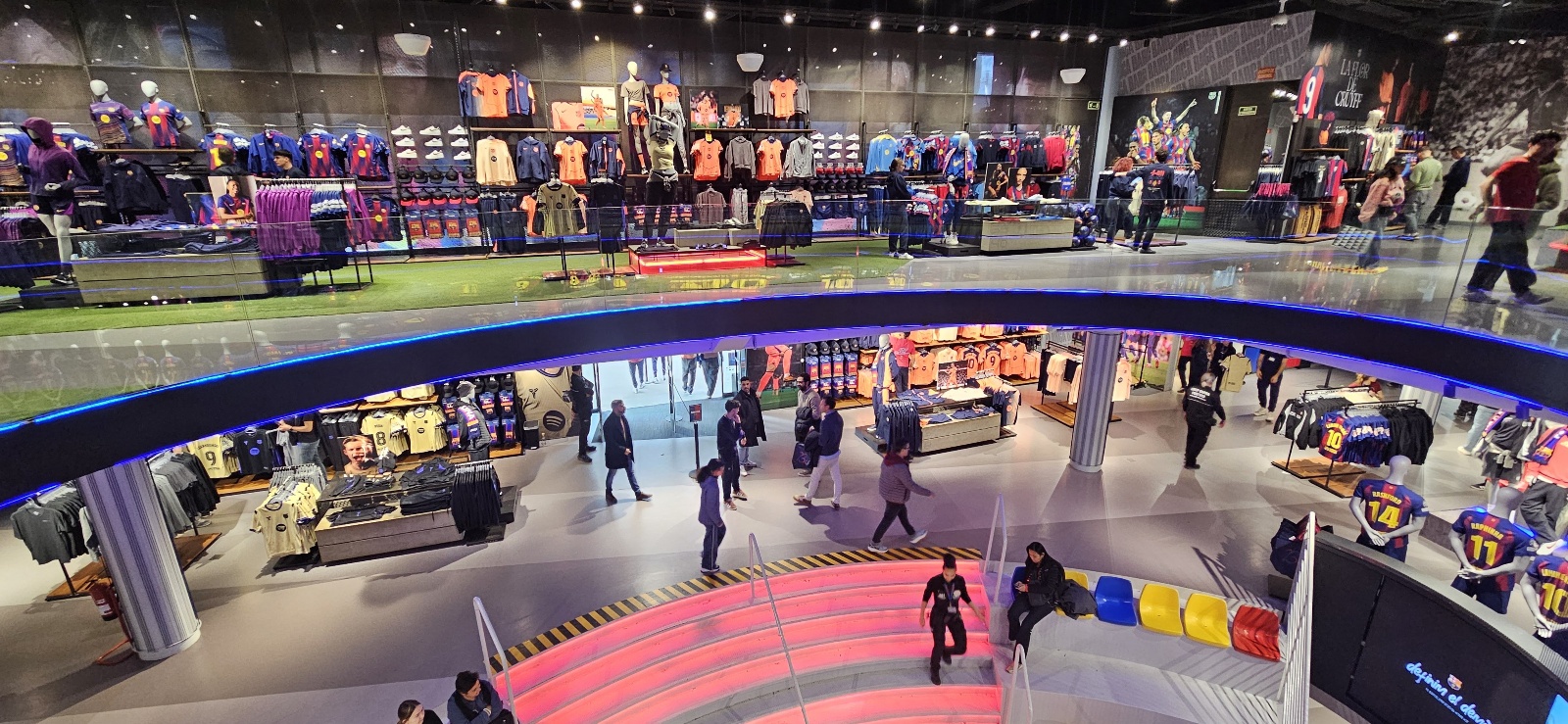
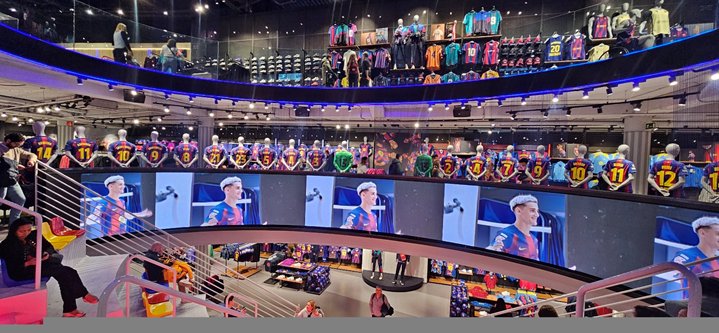
While traveling in Spain, I visited the official FC Barcelona megastore in Barcelona.
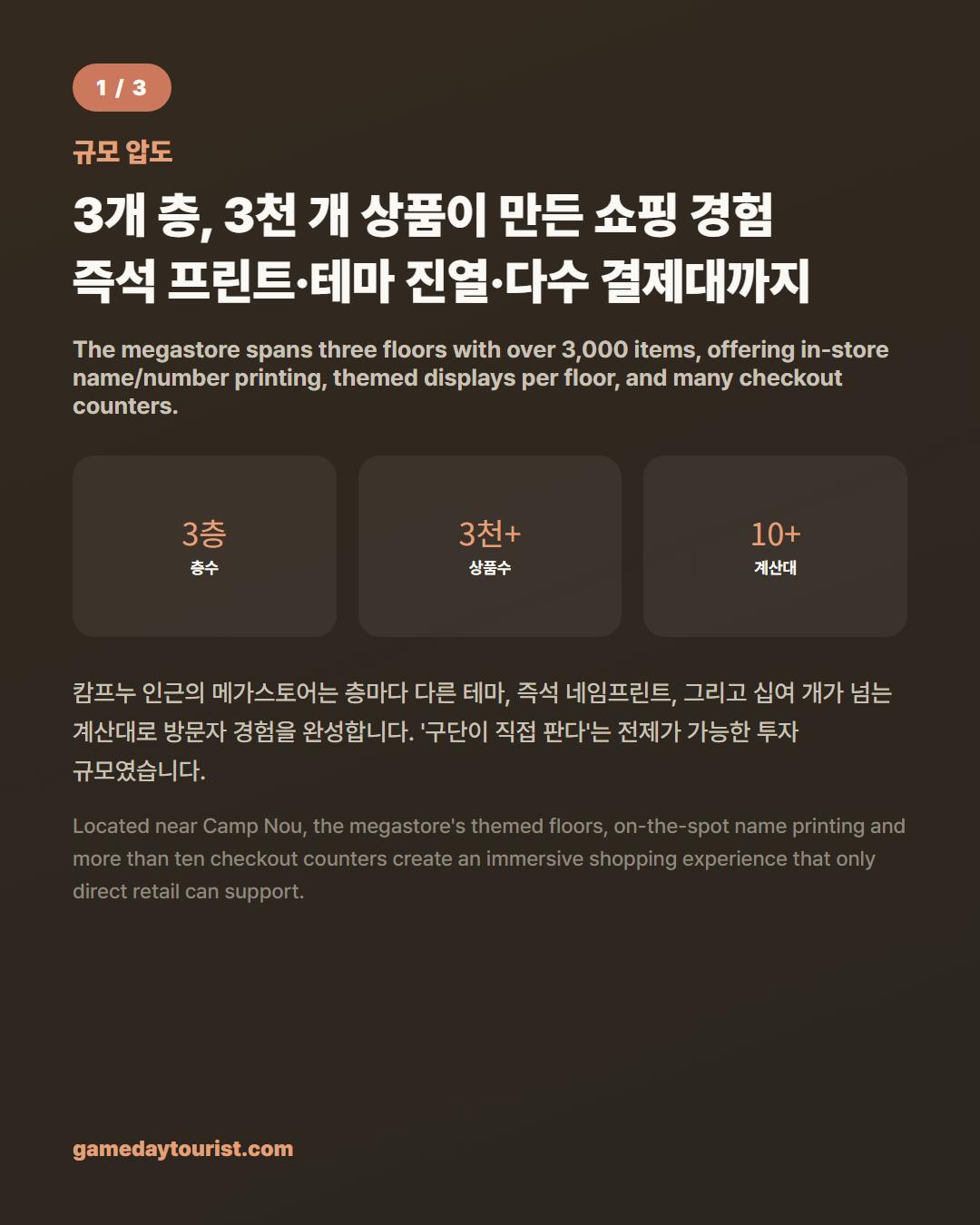
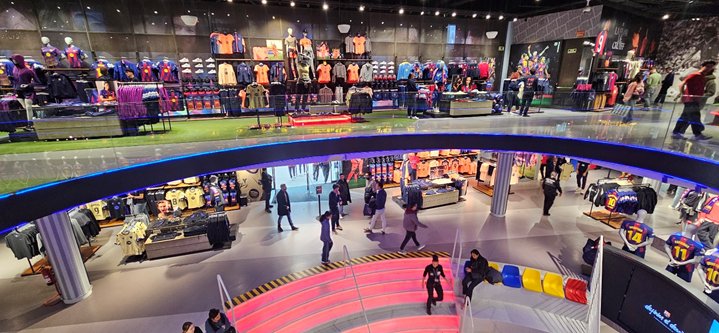
Located near Camp Nou, this store is considered the largest club official store in the world. Even after hearing that it displays over 3,000 items across three floors, I didn’t really grasp it until I stepped inside.
But the moment I entered the store, I was completely overwhelmed by its scale and product assortment.
The Era of Outsourced Merchandising
As someone who has watched domestic pro-sports clubs’ merchandising businesses for a long time, this store brought up many thoughts.
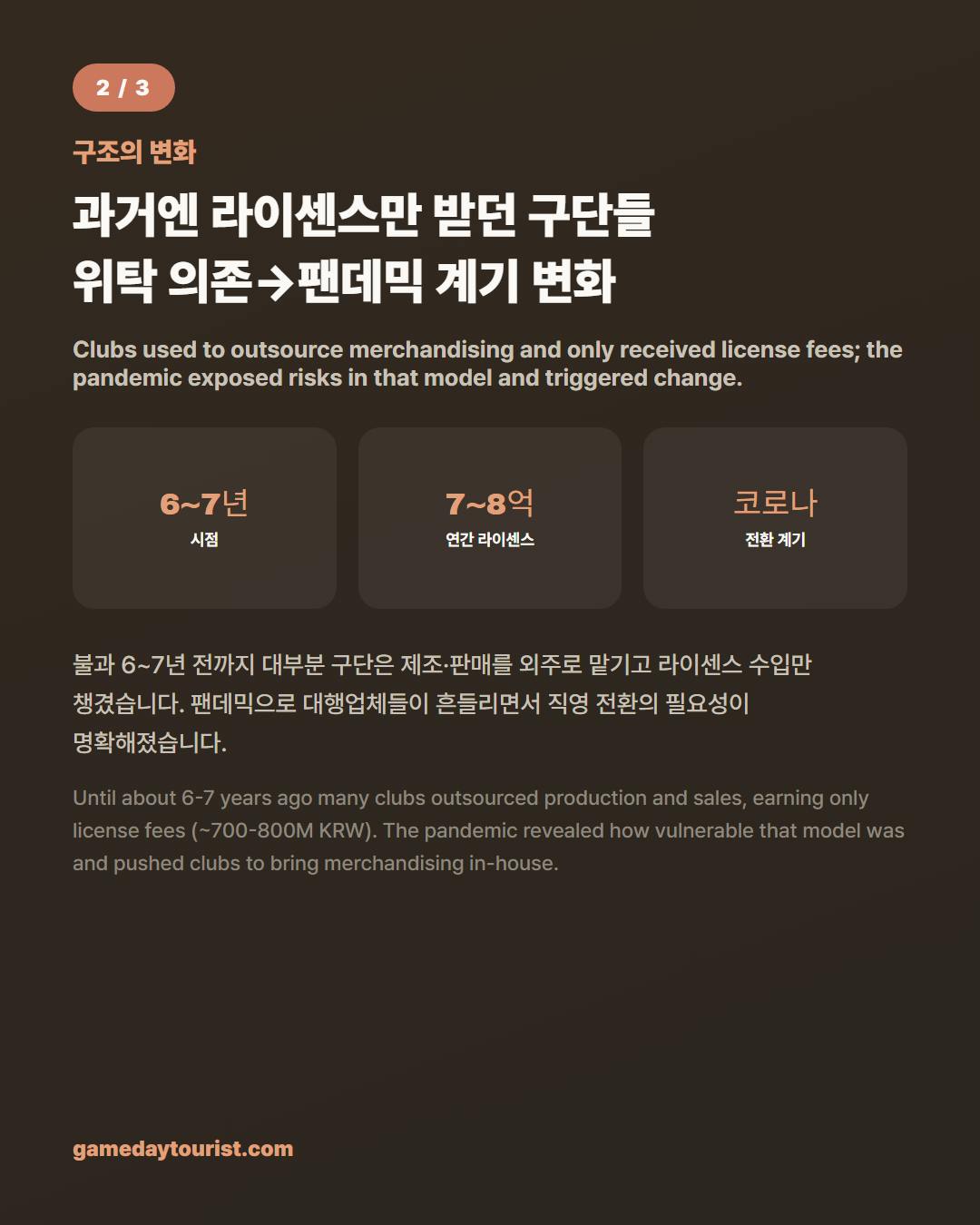
Until just 6–7 years ago, most domestic clubs did not run their own goods businesses. They outsourced product manufacturing and sales entirely to external agencies, and the clubs only received license fees for the use of their logos and emblems.
At that time, even the big-market clubs representing the league only earned about 700–800 million KRW annually in license revenue, which is a scale that feels like a different era by today’s standards.
How COVID Shook the Outsourcing Model
The ironic trigger that shook this outsourcing structure was the COVID-19 pandemic. With matches played behind closed doors, agencies’ revenues plummeted overnight, and many could no longer afford the license fees owed to clubs, leading to a string of bankruptcies. The industry painfully confirmed how vulnerable an outsourcing model is to external shocks.
The Shift to Direct Operation and Collaborations
Paradoxically, after this crisis passed and professional sports regained momentum, clubs’ attitudes completely changed. More clubs began shifting from outsourcing to direct operation, and they actively pursued collaborations with various brands, racing to benchmark the merchandising approaches of famous foreign clubs.
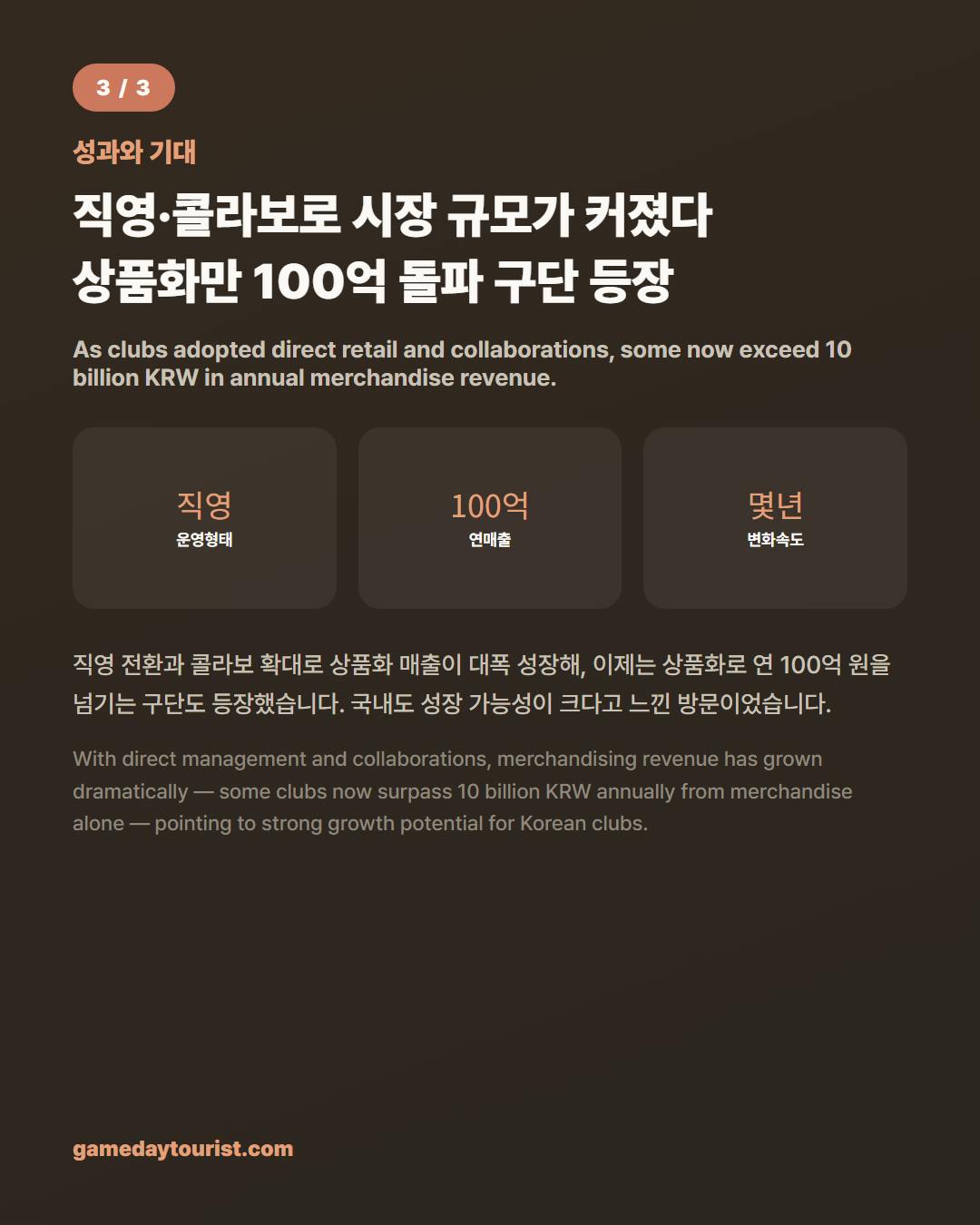
As a result, the market has changed so much that some clubs now exceed annual merchandising sales of 10 billion KRW. It’s even more surprising when you consider how quickly this change happened in just a few years.
The Gap Revealed by the FC Barcelona Megastore
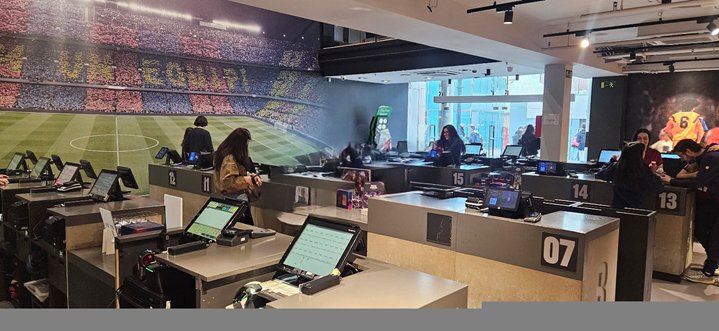
Having experienced that shift, seeing the FC Barcelona megastore was both bittersweet and stimulating. From instant name-and-number printing services when you buy a jersey to themed product displays on each floor and a checkout area with more than a dozen registers, all of this is an investment that’s only possible on the premise that the club sells directly. A store of a size unimaginable under outsourcing has long been operated as the norm by this club.
Closing Thoughts — You Only See It When You Sell Directly
Back home, the takeaway from this store was ultimately: you only see it when you sell directly.
Under an outsourcing model, clubs don’t retain data showing which products sell and why, or what fans want. I think the reason domestic clubs have actively moved into direct operation and collaborations in recent years is that they belatedly realized they must directly hold that data and the revenue.
That said, I also confirmed that domestic clubs still have a long way to go in terms of store size and product variety. Considering that many only switched from outsourcing to direct operation a few years ago, this visit made me more excited about how far domestic clubs’ merchandising businesses can grow.
Leave a Reply