Contents · About 6 min read
📱 View as card news
To commemorate our countryman Lee Kang-in joining the club, I looked into Atlético Madrid’s home stadium.
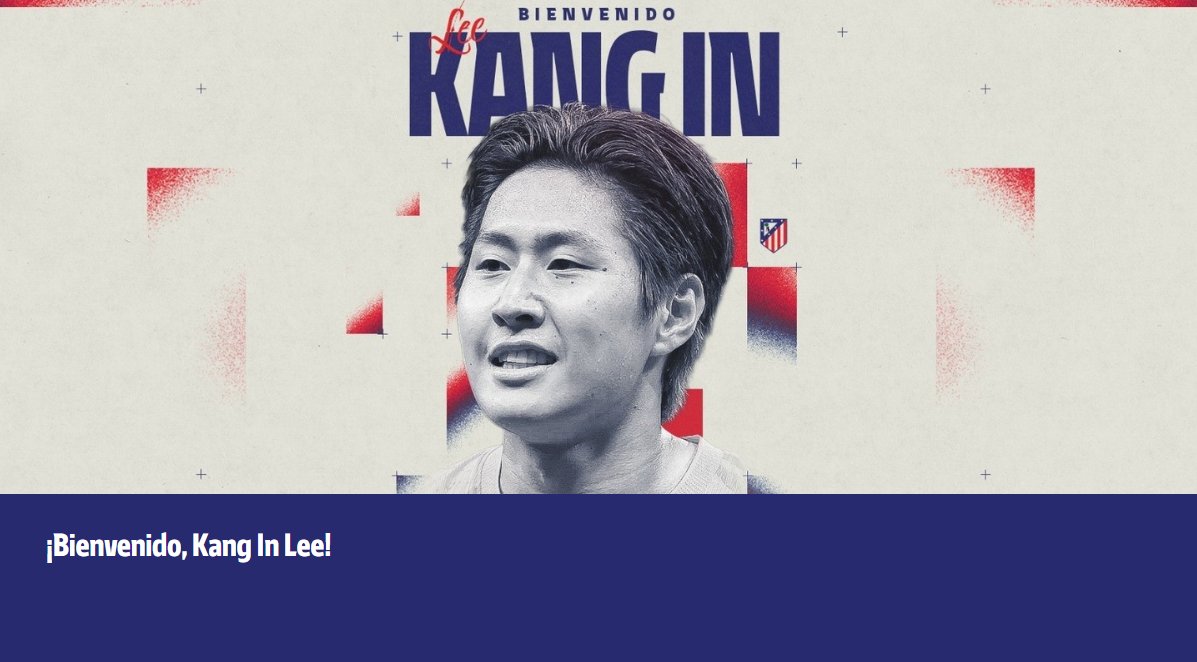
When I visited the official website, Lee Kang-in was featured on the main page. What a wonderful sight.
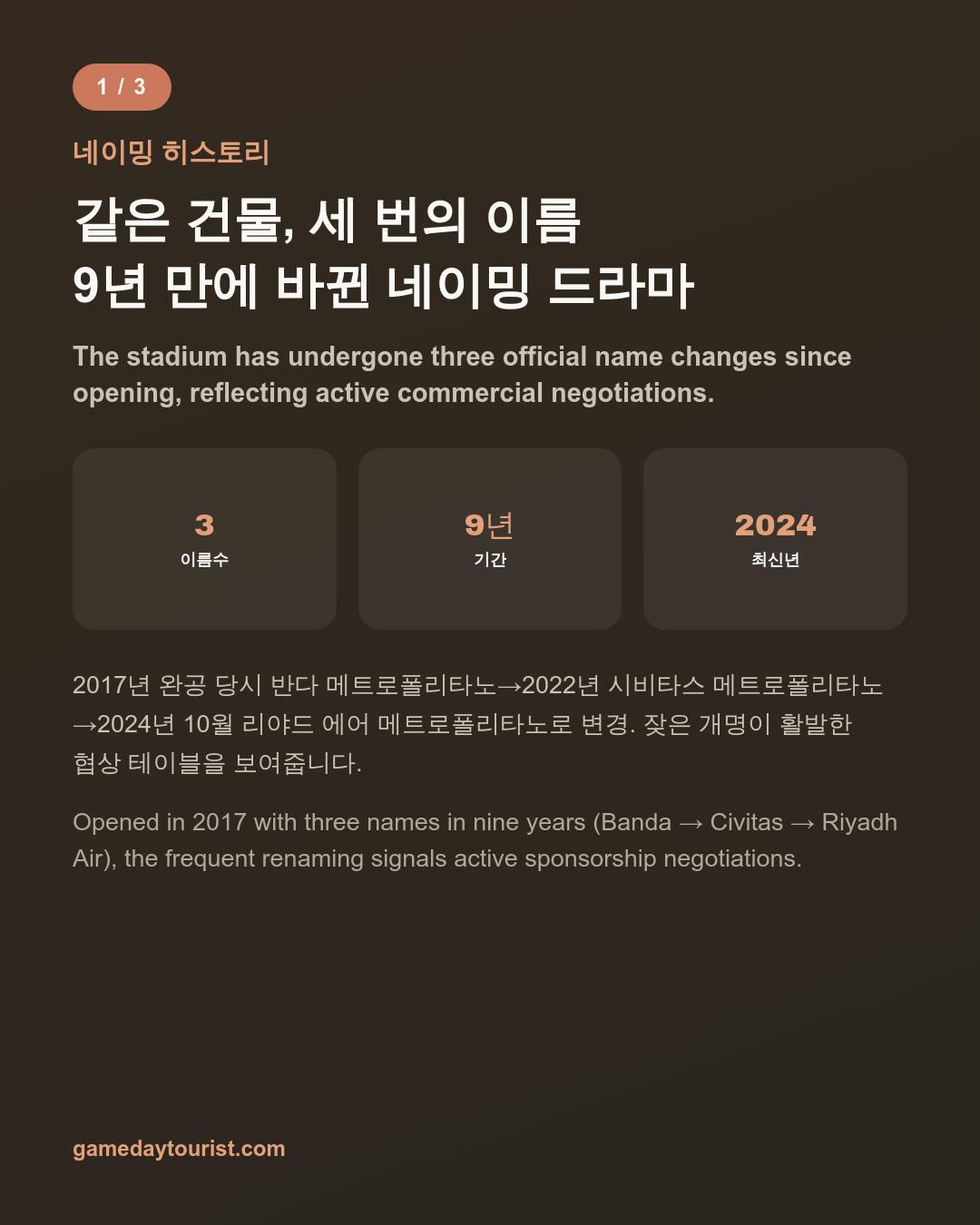
An unusual aspect of this stadium is its name. It’s not common for a stadium to change its name three times in a few years. Atlético Madrid’s home ground in LaLiga was called Wanda Metropolitano when completed in 2017, then Civitas Metropolitano in 2022, and from October 2024 it was renamed Riyadh Air Metropolitano. In other words, the same building has carried three different names in nine years,
From a marketer’s perspective, these frequent renamings are a signal of how actively the stadium is being negotiated over at the commercial table.
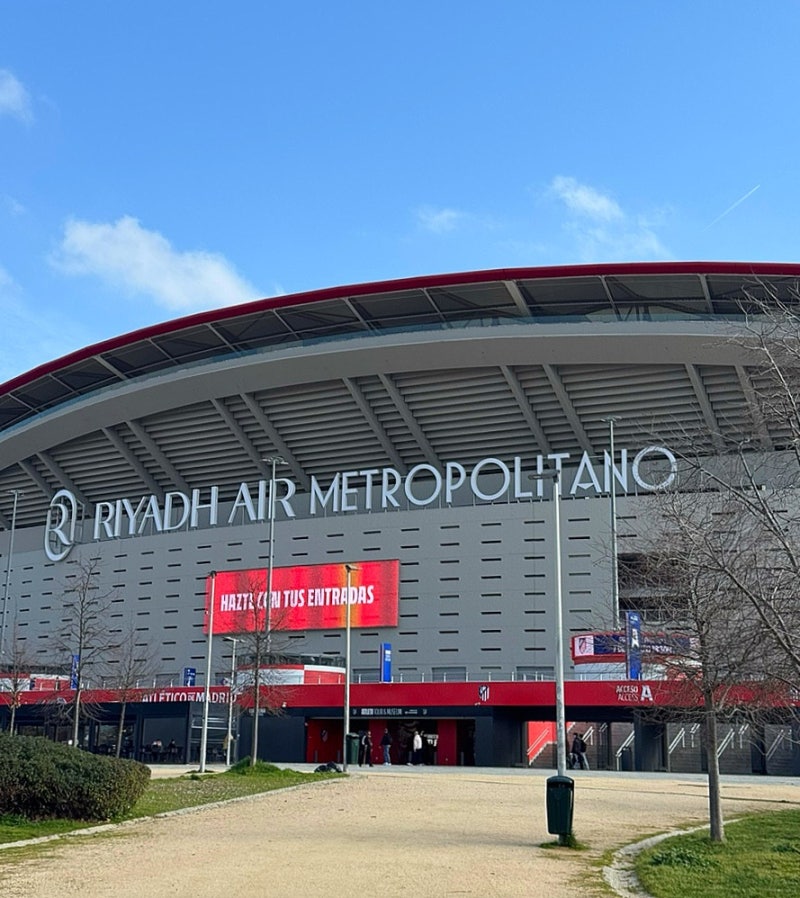
Naming Rights — Three Names in Nine Years
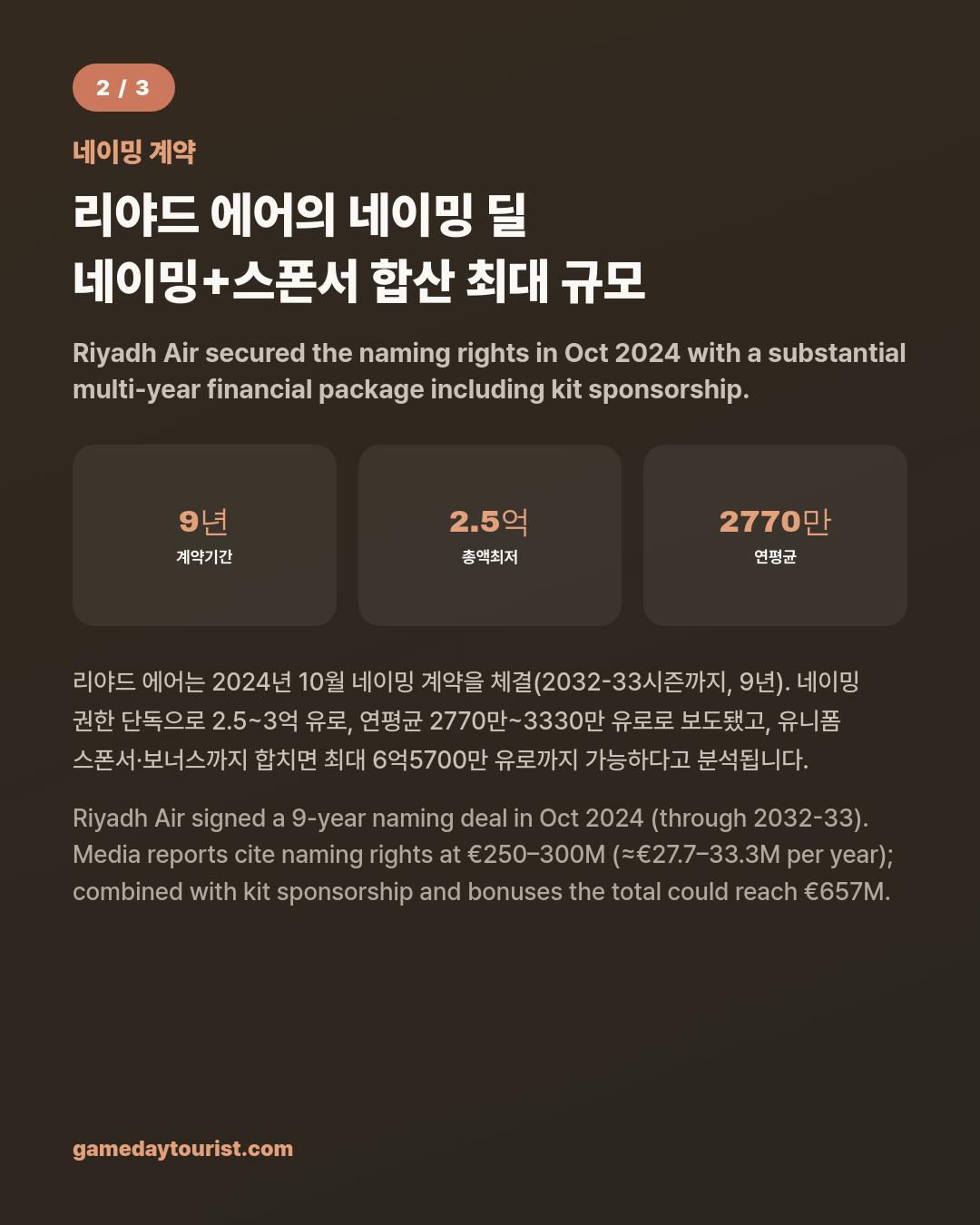
Looking at the most recent deal, Saudi airline Riyadh Air signed the stadium naming rights contract in October 2024. The term runs through the 2032–33 season (9 years), and reports put the naming-only total at between €250–300 million, which converts to about €27.7–33.3 million per year on average according to foreign press coverage.
Including the shirt sponsorship that had already been in place since August 2023 (about €40 million per year, through the 2026–27 season) and various performance bonus clauses, some analyses estimate the total could reach up to €657 million over nine years. It’s important to note that this figure is the combined total of naming rights, shirt sponsorship, and bonuses—not the naming-rights-only amount.
The previous sponsor, Civitas Persiensis, had reportedly signed a 10-year deal from July 2022 worth roughly €10 million per year, but it yielded the naming spot to Riyadh Air after just over two years. Civitas remained involved as a sustainability partner and as the builder of a sports complex near the training facilities, maintaining a relationship in a different capacity. This shows how naming rights can involve layered negotiations, sponsor replacements, and retention conditions.
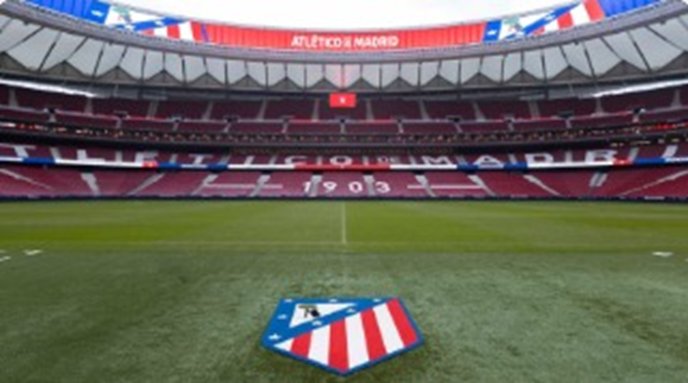
Source: tour-museum.atleticodemadrid.com Atlético Tour & Museum official page
Stadium Capacity and Premium Seating
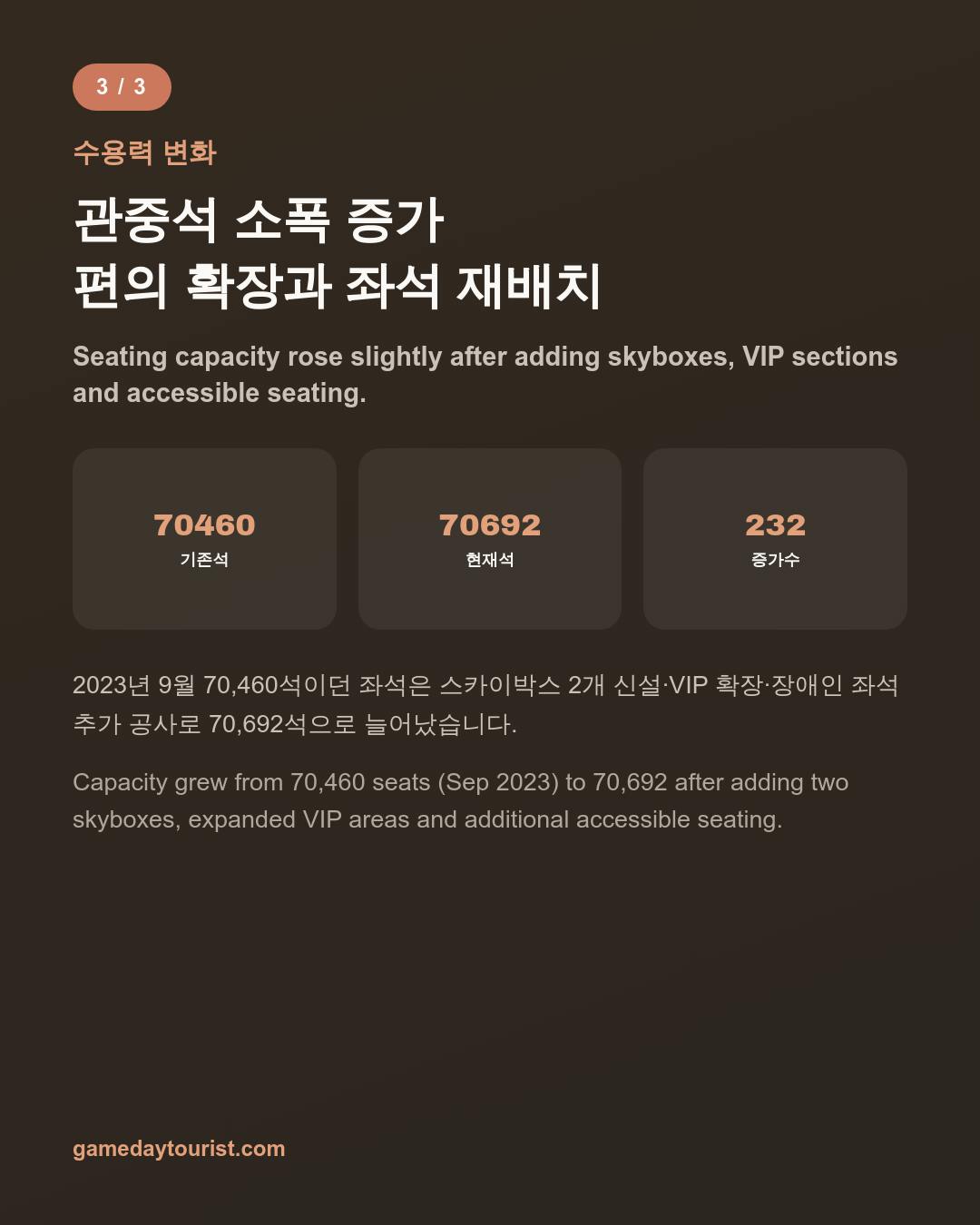
In terms of space, the stadium’s capacity has steadily increased in recent years. As of September 2023 the seating was 70,460, and after adding two skyboxes, expanding the VIP area, and adding accessible seating, the capacity has risen to 70,692.
Ticket prices have been spread across a wide range: for the 2025–26 season, the cheapest upper-stand season ticket is €290, while the most expensive west lower-stand season ticket is €2,250, a gap of about 7.8 times. Premium seating is divided into three distinct VIP lounges—the Mahou Club, Telefónica Club, and Civitas Club—each with its own character. Each lounge offers private boxes ranging from 5 to 18 seats, leather seating, and catering service from 75 minutes before kickoff until 45 minutes after the final whistle.
The stadium was named “World’s Best Stadium” at the 2019 WFS industry awards, beating Atlanta’s Mercedes-Benz Stadium, and in the same year it received the Engineering News-Record (ENR) award in the sports & entertainment category. The jury praised the 6,336-ton steel roof structure and the nearly 894,000-square-foot translucent PTFE membrane that protects most seats from rain.
Merchandise (MD)
On the retail side, the 1,300-square-meter Atlético Store on the stadium’s west ground floor is the retail hub. It carries jerseys, training gear, footwear, and a custom-printing area, and has separate product lines that highlight the traditional logo and the original logo.
There is also a separate store on the city’s Gran Vía street so fans can access merchandise even on non-matchdays. As I mentioned in an earlier post, this is something I really envy.
In April 2025 the club signed a new kit supply deal with Nike running through 2035. The contract is reported to be more than three times larger than the previous one, illustrating how kit deals have become a significant revenue source in their own right.
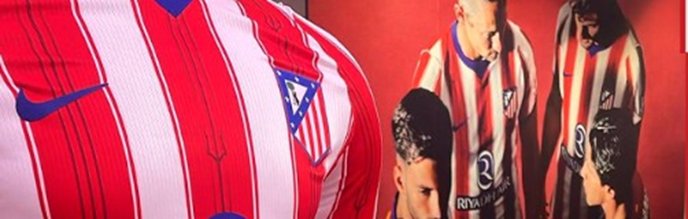
Source: atleticodemadrid.com Atlético Store official page
Advertising Inventory — The Sky Ribbon
What impressed me most about the advertising inventory is the “Sky Ribbon.”
It’s a flexible LED screen that wraps 360 degrees around the inner ring of the roof, measuring 404 meters in circumference and roughly 5 meters high. LG Display installed it as an official Spanish sponsor for two seasons starting in 2025, and unlike traditional fence ads or scoreboards, it uses the entire roof line as a single advertising and production medium, making this inventory fundamentally different.
Telefónica, beyond being a simple advertiser, entered as an official technology partner and helped convert the Metropolitano into the first stadium fully operated on digital IP technology.
From a marketer’s experience, the most enviable aspect is the grandeur of the advertising inventory. Securing ads in a venue like this brings satisfaction not only to clients but also to the sales teams who closed the deals.
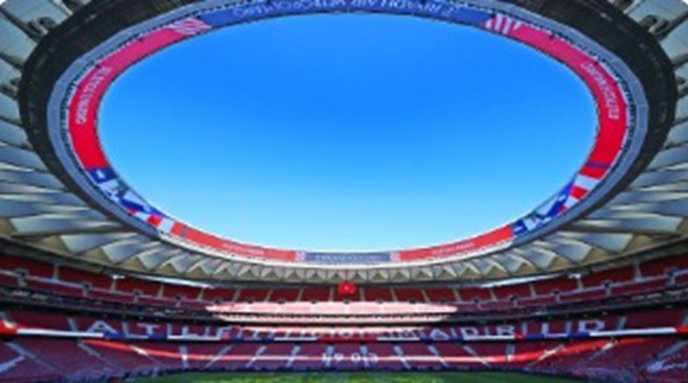
Source: tour-museum.atleticodemadrid.com Atlético Tour & Museum official page
Fan Convenience — Atlético Tour & Museum
On the fan convenience side, the “Atlético Tour & Museum” is the core product.
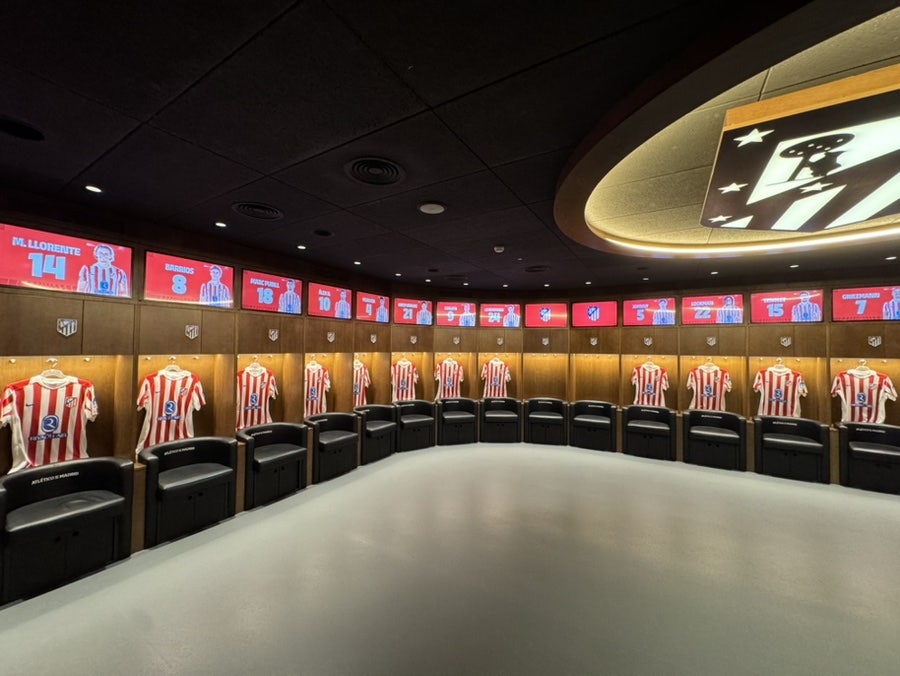
The package combines an interactive museum—where visitors experience the club’s history from its 1903 founding using touchscreens, VR goggles, projectors, and interactive games—with a guided tour of the first-team locker room, players’ tunnel, bench, press room, and presidential box (about 1 hour 30 minutes, guided in English and Spanish).
On review sites it maintains ratings around 4.4–4.5 out of 5, and visitors particularly praise the guides’ professionalism and the access to usually unseen areas like the locker rooms. Many reviews note that the queues are shorter and less crowded than the Real Madrid Santiago Bernabéu tour.
IT and AI Use
The use of IT and AI is also quite concrete.
The official website features a natural-language chatbot called “Atleti Bot,” and a Wi‑Fi upgrade project spanning the 2025–26 and 2026–27 seasons is being managed on HPE Aruba Central’s AI-driven operations platform, applying Wi‑Fi 6 and Wi‑Fi 7 across more than 1,500 access points in a large-scale rollout.
According to the club’s head of technology development, the goal is to replace the eight-year-old infrastructure to reduce latency in high-density simultaneous connection scenarios.
On accessibility, together with Telefónica and LaLiga, they introduced a service for visually impaired fans that combines a haptic tablet which tracks the ball in real time with audio description, and on matchdays the Telefónica Club lounge operates the “Atleti Cam” photo totem that instantly emails photos taken with players.
Comparing with Domestic Pro Sports
The most striking difference compared to domestic professional sports is the nature of naming-rights deals.
The KBO League signed a new title sponsorship with Shinhan Bank for 10 years from 2028 worth about KRW 11.5 billion per year, but that is a league-wide deal and differs fundamentally from selling the name of an individual club’s stadium like Atlético did. So it’s important not to directly compare the figure that “Atlético earns up to €33.3 million per year from stadium naming alone” with the figure that “Shinhan Bank pays KRW 11.5 billion per year for a league title,” because they are different types of contracts.
In a domestic market where club-level stadium naming rights haven’t taken off yet and corporate subsidies remain necessary, though, the trend of European big clubs renegotiating and increasing naming-rights fees in step with sponsor replacement cycles is worth noting.
The LED inventory side is similar: in the K League the recent notable example is Daejeon Hana Citizen becoming the first in the league to install a large outdoor LED screen outside the stadium, but an integrated 360-degree roof-ring LED medium like Atlético’s Sky Ribbon does not yet exist domestically.
The season-ticket design that attracts a wide range of consumers by expanding the price gap between lowest and highest seats by 7.8 times, and the approach of operating three corner VIP lounges with different characters, are also aspects domestic clubs should consider when segmenting membership and season-ticket products.
Leave a Reply