Contents · About 3 min read
📱 View as card news

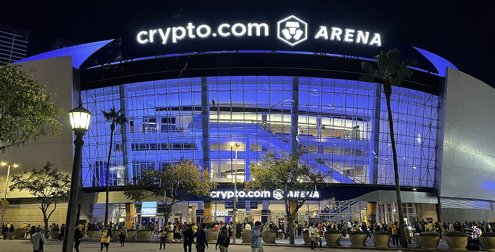
I watched a playoff game live at Crypto.com Arena.
It’s the LA Lakers’ home arena, and because it sits in the heart of downtown it felt more like a city landmark than a mere stadium. Even though it’s an indoor arena, there were many aspects worth benchmarking—comparable to a baseball park in terms of takeaways.
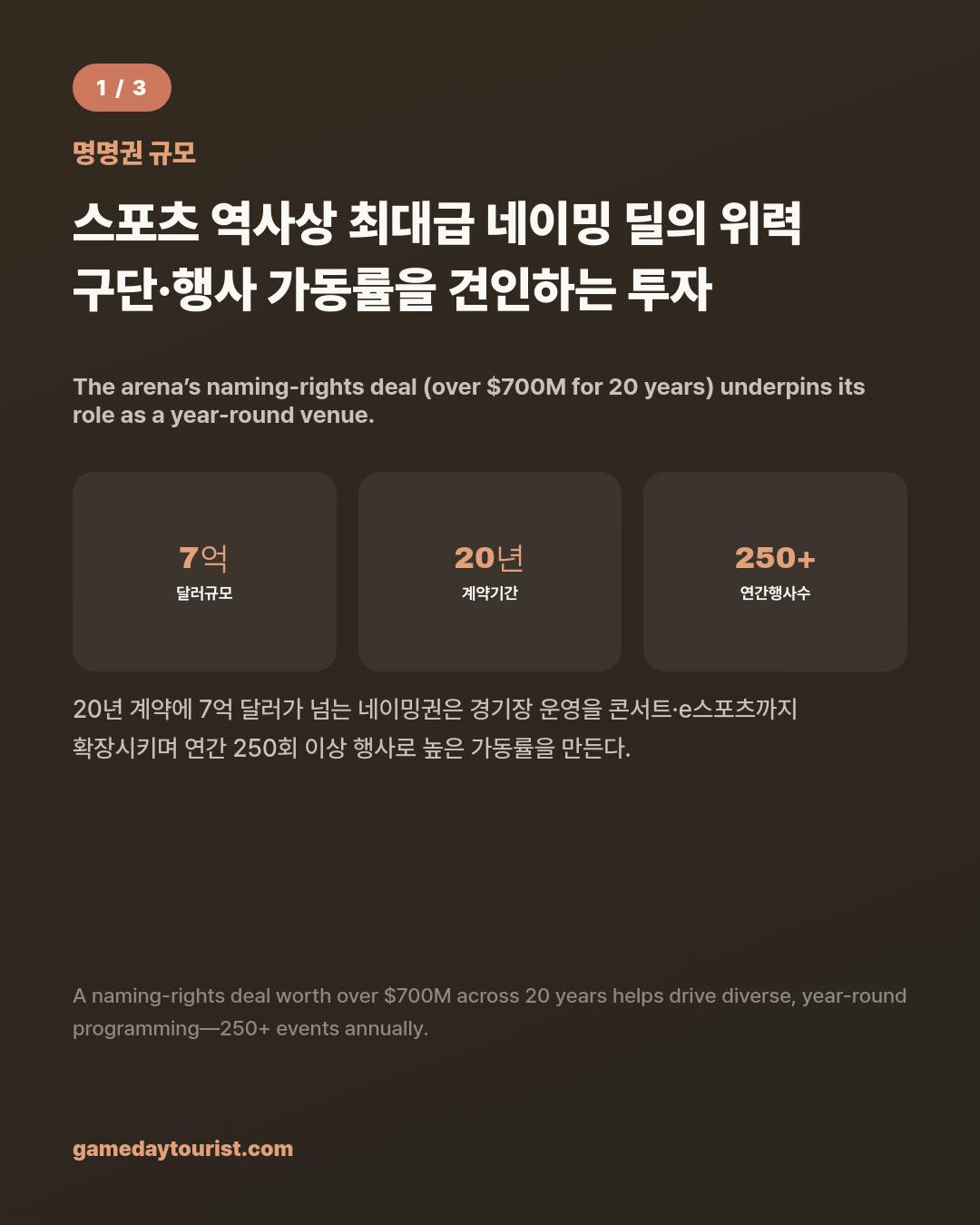
Crypto.com Arena — A Record-Setting Naming Rights Deal
Crypto.com Arena is a multi-purpose indoor venue with a capacity of 20,000, opened in October 1999. It was better known as the Staples Center, but the name changed to its current one on December 25, 2021.
With a naming-rights deal reportedly worth over $700 million across 20 years, it’s understandable that this is considered one of the largest naming-rights agreements in sports facility history. The arena is home to the NBA’s Lakers, the WNBA’s Sparks, and the NHL’s Kings, and it hosts more than 250 events a year—from basketball and hockey to concerts, esports, and figure skating—so its utilization rate is on a completely different level from indoor venues at home.
An Arena Designed as a Media Platform
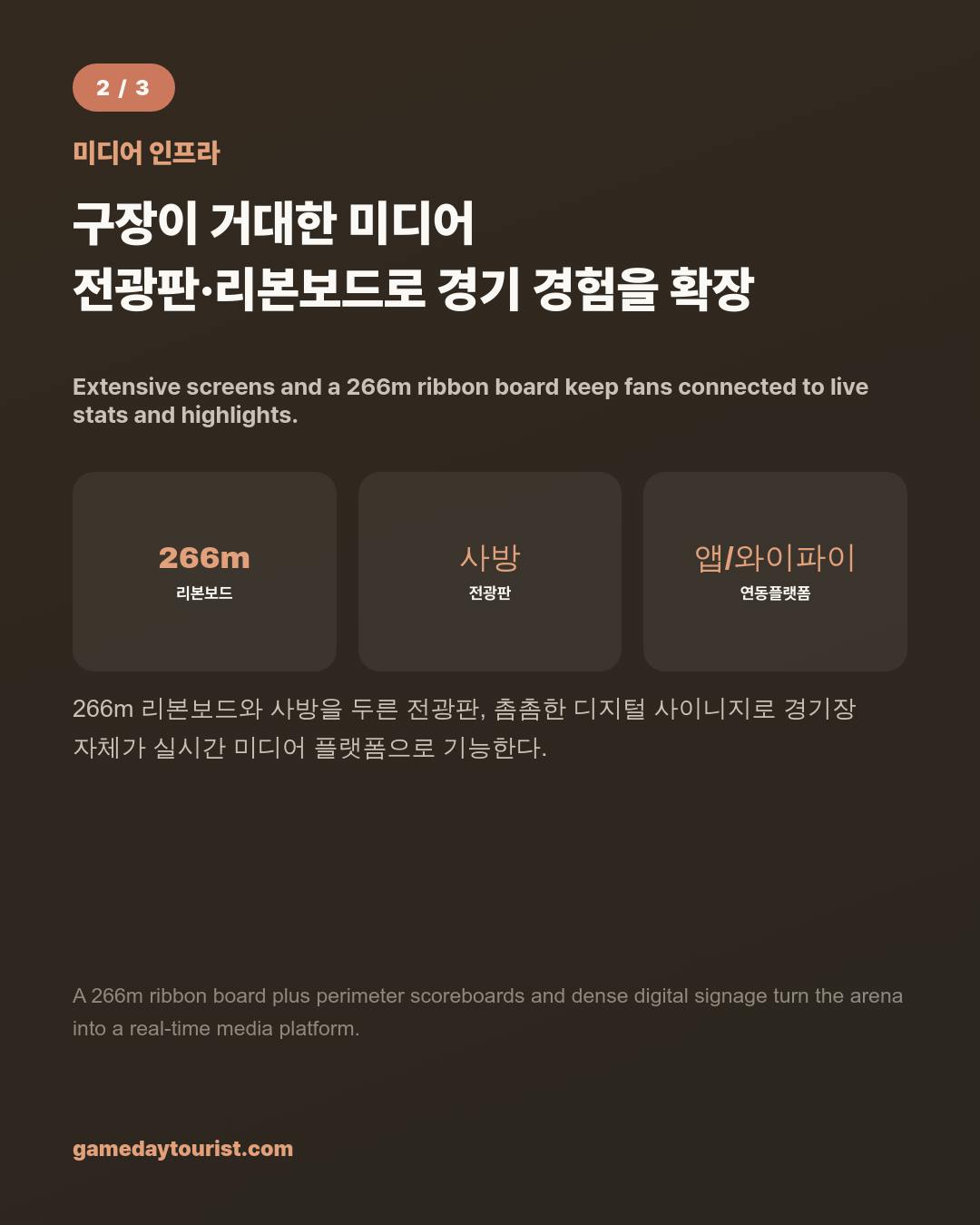
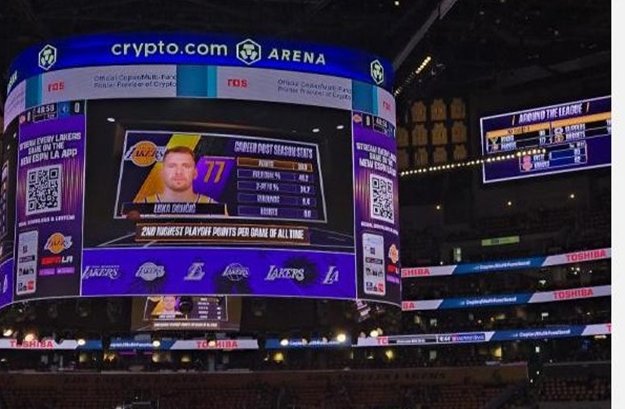
As I entered the arena, the first things that caught my eye were the massive screens surrounding the bowl and the dense digital signage. No matter where you sat, live stats and highlights were constantly visible, and a 266-meter ribbon board circled the seating bowl, continuously streaming information.
The venue felt designed as a giant media platform, and thanks to that infrastructure fans could use apps and the Wi‑Fi to receive real-time data and enjoy a much more immersive game experience.
L.A. Live — An Urban Landmark Strategy
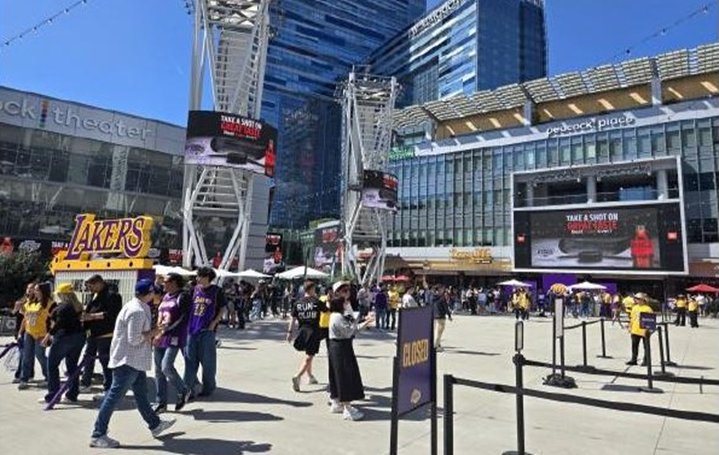
Outside the arena is the mixed-use cultural plaza called L.A. Live. Large LED towers, multi-format digital signage, and JBL speakers filled the square, and hotels, performance venues, and restaurants were densely clustered around it.
Even when there were no games, people were sitting in the plaza eating or taking photos, which made it clear the arena functions not just as a place you visit for a home game but as a downtown tourist attraction in its own right.
They’ve completed a landmark strategy by leveraging the downtown location with food, shopping, and accommodation.
Segmented Premium Seating
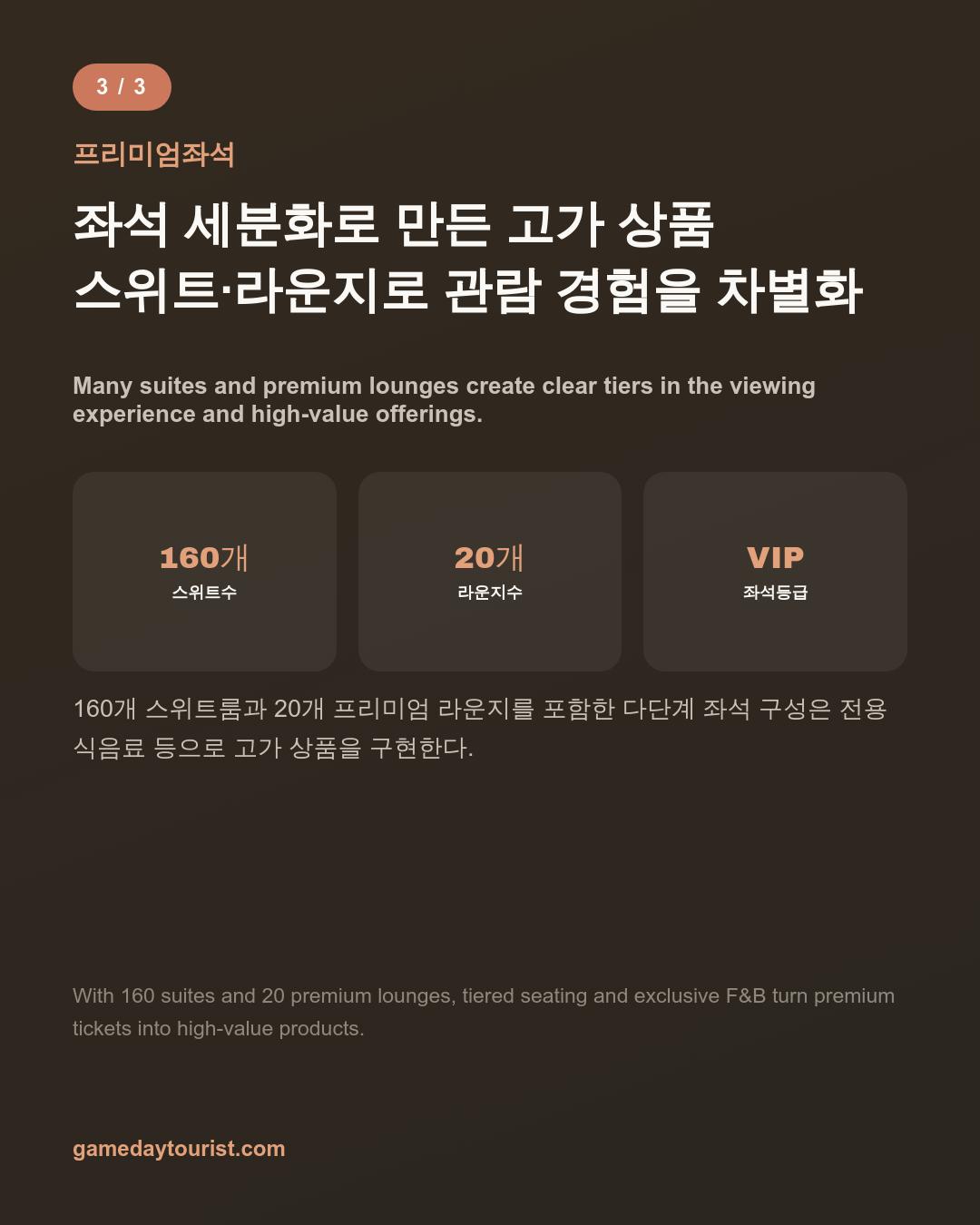
The seating mix was also highly segmented. There are about 160 suites, 20 premium lounges, and various tiers of VIP seating operated with exclusive food and beverage services, which gave the impression that the arena clearly differentiates viewing experiences within the same venue and monetizes those gaps as high-end products.
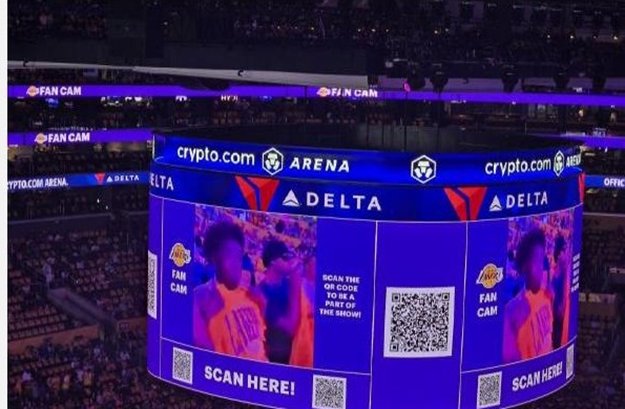
During the game, fan-cam events using the scoreboard ran continuously, and they encouraged participation via QR codes—a detail that stood out as an effort to maintain crowd engagement.
Closing Thoughts
Reflecting on it back home, I took away two main lessons from Crypto.com Arena. One is to view the stadium as a media platform and continue investing in digital infrastructure like big screens, apps, and Wi‑Fi. The other is to expand the range of premium products by further segmenting seat categories. Domestic venues should consider designing a greater variety of high-end seating options—suites and premium lounges—and more actively explore turning the area around a stadium into a place that attracts people even on non-game days.
Leave a Reply