Contents · About 8 min read
📱 View as card news
On October 20, the New York Knicks open their 2026-27 season against the Philadelphia 76ers.
It’s the first game since the Knicks beat the San Antonio Spurs in June to win their first title in 53 years, since 1973, yet what everyone was talking about in mid-September wasn’t the game itself but the ticket prices.
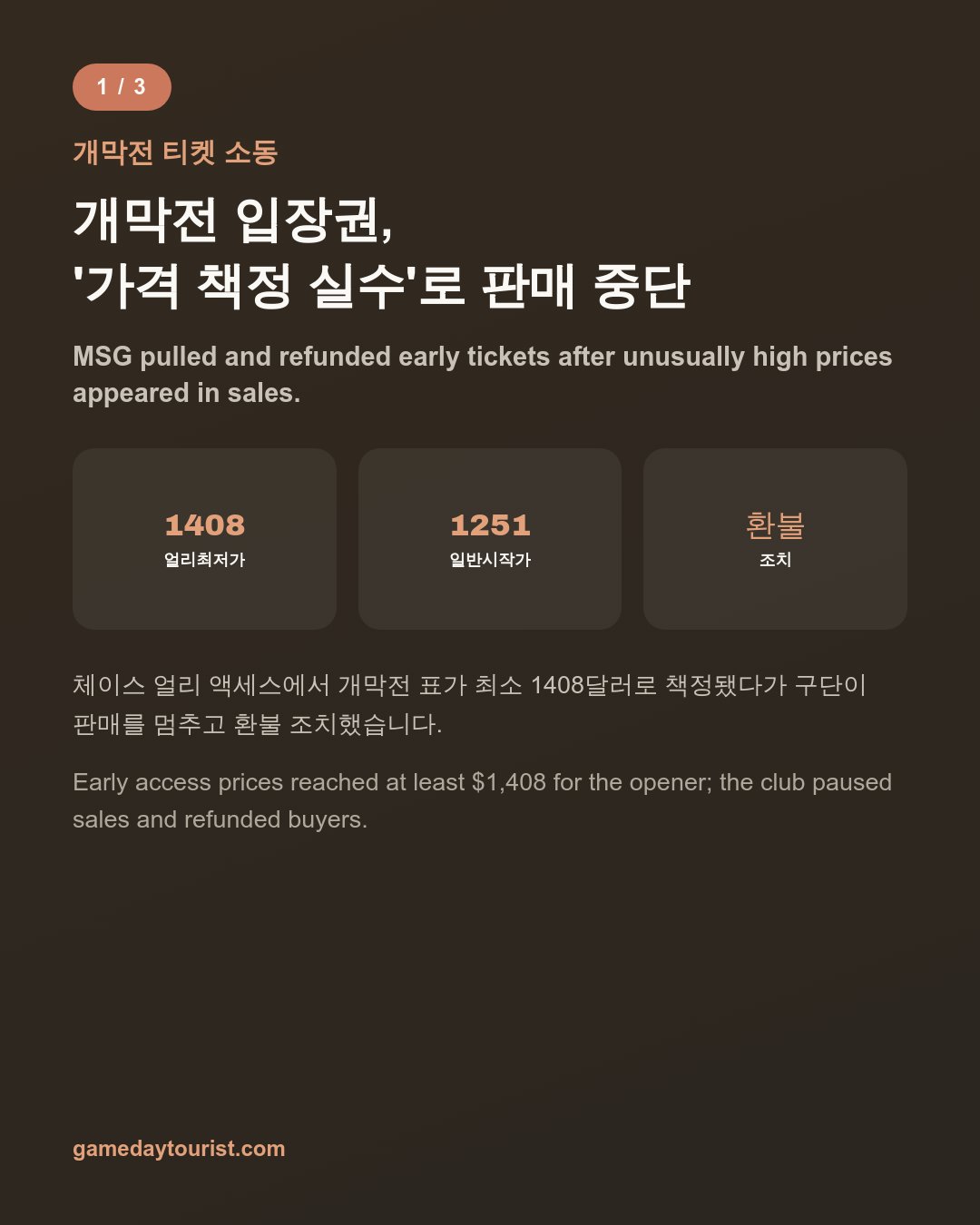
Madison Square Garden (MSG) put opening-night tickets on sale at prices well north of $1,000, then belatedly called it a “pricing mistake,” halted sales, and started issuing refunds.
Watching this unfold as a working marketer, what caught my eye wasn’t the price so much as the stage it happened on: the arena with arguably the most unusual business model in American sports.
At a time when nearly every pro venue in the world sells its name to a corporation, MSG is one of the few that has kept its own name for more than a century.
Attendance and Tickets
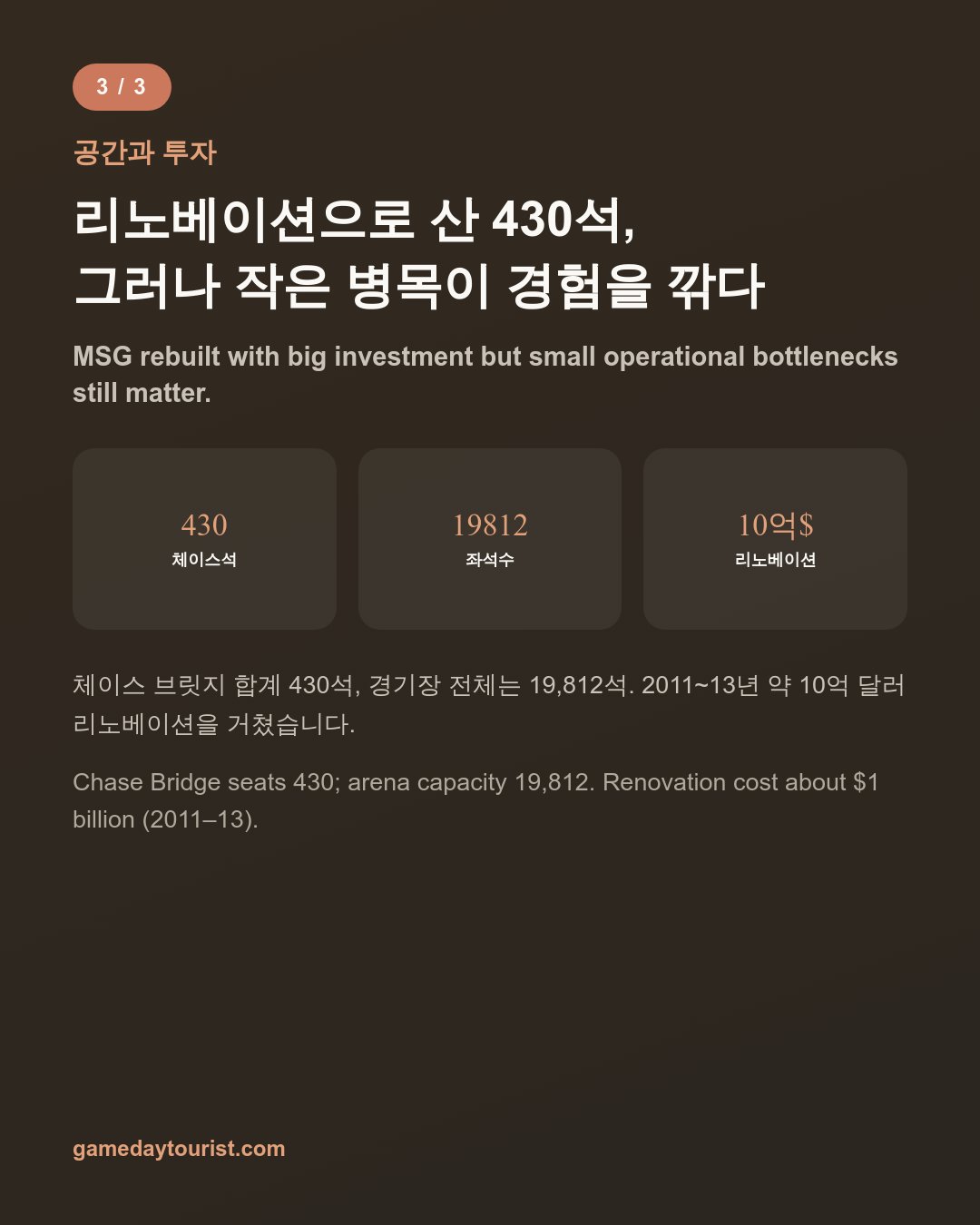
Sitting right on top of Penn Station between Eighth and Seventh Avenues, MSG holds 19,812 for basketball.
The Knicks drew a total of 792,480 fans at home in 2025-26, sixth among the league’s 30 teams, and that was before any championship premium kicked in.
Things look completely different now.
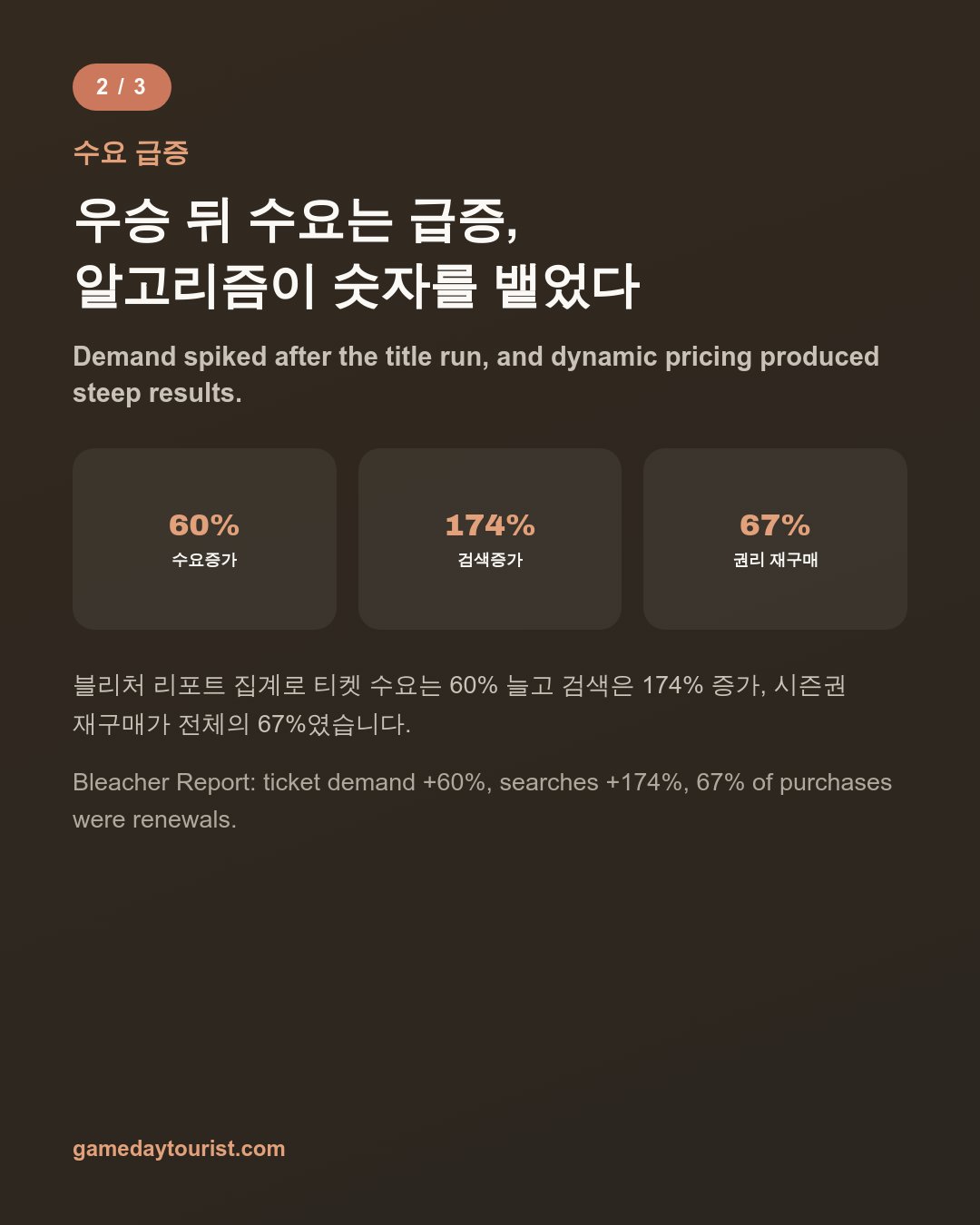
According to Bleacher Report, citing StubHub data, demand for tickets to the new season is up 60% on this time last year, with searches up 174%.
Existing holders who renewed their season tickets made up 67% of all purchases, which suggests the title bump is driving repeat buying by current fans more than it’s pulling in new ones.
The trouble started when that demand got translated into prices.
For the opener, tickets were priced from $1,408 in the September 15 early-access window for Chase cardholders, and stayed in the $1,251-$1,363 range even after general sale began.
That’s a higher starting price than any regular-season game last year.
Per TicketNews, the club ended up halting all single-game ticket sales, then resumed them after rolling prices back to last season’s levels plus an average 12% increase.
Fans who had already paid the higher prices got the difference refunded.
This reads less like a verdict on dynamic pricing itself and more like a textbook case of a person failing to catch the numbers an algorithm spat out during a demand surge.
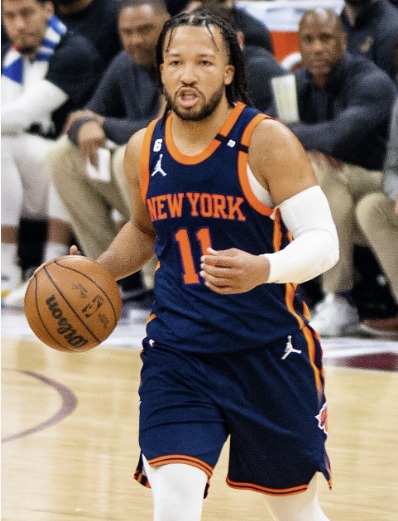
Jalen Brunson, who led the Knicks to the title and won the 2026 NBA Finals MVP (Bill Russell Trophy). Source: Erik Drost, Wikimedia Commons · CC BY 2.0
How the Space Is Used, and F&B
MSG went through a renovation of roughly $1 billion in three phases between 2011 and 2013.
That’s when the Chase Bridge was added.
It’s two suspended seating areas hung from the ceiling on steel supports, 430 seats in total and 94 feet (about 28.7 meters) above the floor, which is said to be roughly the same distance as the existing courtside seats.
They’re named after New York’s famous bridges, so the symbolism is part of the appeal.
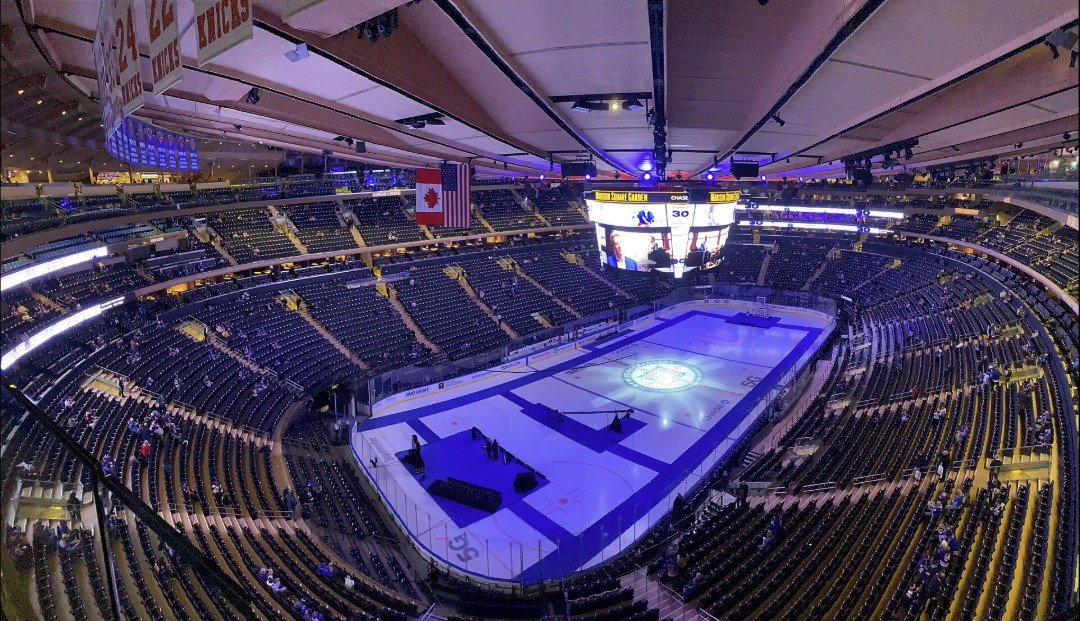
A view inside MSG set up for an ice hockey game. A Knicks retired-number banner hangs at the left of the ceiling. Source: Andrew nyr, Wikimedia Commons · CC BY-SA 4.0
Reviews on local travel sites often say the concourse (the walkway that wraps around the seating bowl) is wide enough that moving around isn’t much of a hassle even with lines at the concession stands.
On the flip side, complaints turn up fairly often that some escalators stop for a while after the game, leaving the exits badly congested, which would be genuinely stressful for anyone trying to catch the last subway.
As a marketer, it’s a reminder that visible investments like a concourse renovation clearly lift how satisfied people feel, but one small bottleneck at the very end of the journey can drag down the whole experience.
For what it’s worth, MSG also has a sushi counter and a Carnegie Deli, the long-running New York deli brand, so some reviews say the food lineup is more varied than at a typical American arena.
Merchandise and Ad Inventory
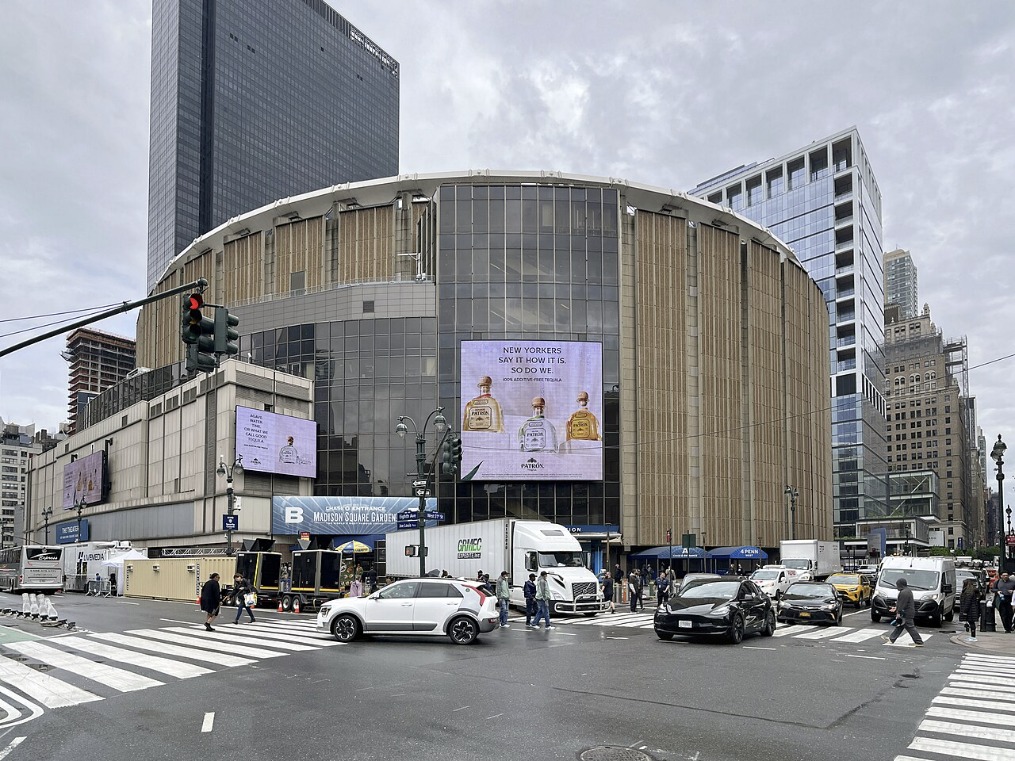
MSG’s exterior as seen from Eighth Avenue. The large digital screens wrapped around the circular facade serve as ad inventory. Source: Gunnar Klack, Wikimedia Commons · CC BY-SA 4.0
The club’s official store (Shop MSG) bundles City Edition jerseys into a separate collection each season, and coming off the 2025-26 lineup, this title year’s sales look set to run bigger than usual.
The ad inventory (the exposure spots inside and outside the arena that are sold to sponsors) is tightly packed too.
According to the club’s own announcement, Anheuser-Busch has kept its “signature marketing sponsor” deal and runs its own branded lounge, the “Michelob ULTRA Courtside,” while Squarespace became the first sponsor to land the Knicks’ jersey patch (the spot for a brand logo on the chest of the uniform).
BetMGM has secured courtside and ribbon LED signage, the GardenVision scoreboard, and even ads on the basket supports.
The exterior photo I captured also shows a big screen ad for the fragrance brand Patrón, and there are reportedly seven digital boards in total facing Seventh and Eighth Avenues.
Broadcast Rights and Local Economic Impact
MSG Networks signed a 20-year rights deal with the Knicks and Rangers in 2015, and in 2023-24 it paid the two clubs a combined $175 million (about $135 million to the Knicks and about $40 million to the Rangers).
But when MSG Networks restructured $804 million in debt in 2025, the Knicks’ rights fee was cut by 28% and the annual escalator that used to raise it automatically was dropped, as Sportico reported.
The contract’s expiration was also pulled forward sharply, from the 2034-35 season to 2028-29.
Title or no title, it looks like a sign that the regional cable model itself is wobbling in the shift to streaming.
The local economic impact is somewhat paradoxical.
MSG sits directly above Penn Station, the busiest transit hub in the Western Hemisphere, yet it pays New York City not a cent in property tax.
That’s because an exemption New York State granted in 1982 to keep the clubs from leaving has carried on ever since.
According to a 2023 analysis by the city’s Independent Budget Office (IBO), cited in Bloomberg’s report, the exemption has cost the city $947 million in uncollected taxes since 1982, adjusted for inflation.
Some analyses say a single major event can generate up to $200 million in economic impact for New York, but the crux of the debate is that the facility hosting the event pays no tax.
This case shows why the effect of a glitzy arena on its community shouldn’t be explained only through positive numbers like tourist spending and jobs, but also through less visible costs like tax breaks.
What Makes This Arena Unique: Why It Doesn’t Sell Naming Rights
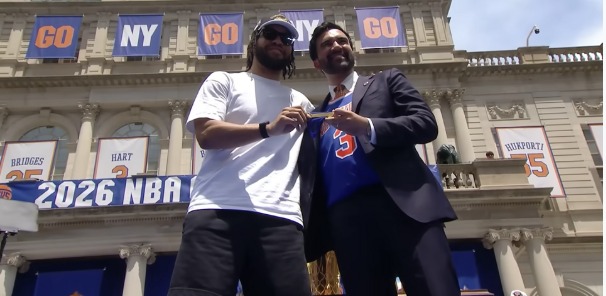
The Knicks’ championship celebration in front of New York City Hall on June 18, 2026. Source: Wikimedia Commons · CC BY 4.0
Most newly built arenas today carry a corporate name.
MSG, though, has kept its own brand ever since the Vanderbilt family built and named the first building in 1879, through to today’s fourth building, which opened in 1968.
It’s often called “the world’s most famous arena,” and many analyses say that not selling naming rights (the right to put a company’s name on a venue) is, ironically, because the name is already such a huge brand asset that there’s little reason to sell it.
There’s hardly any Korean-language material laying out this background, and the more I looked into it, the more it struck me as a fairly unique case even in American sports marketing.
One of the defining moments that built this name value was Game 7 of the 1970 NBA Finals.
Willis Reed, who had missed Game 6 with a thigh injury, limped out of the tunnel just before tip-off and the crowd erupted; he sank his first two shots, and the Knicks went on to win their first title that year.
The Naismith Basketball Hall of Fame’s profile also keeps this scene as Reed’s signature moment.
The Knicks have won three titles in this building: 1970, 1973, and now 2026.
Even through the 53-year drought, the experience of “having seen a championship celebration here” remained an asset in itself for New York sports fans.
I think that kind of sense of place sits behind the soaring ticket prices too, in a form numbers can’t fully explain.
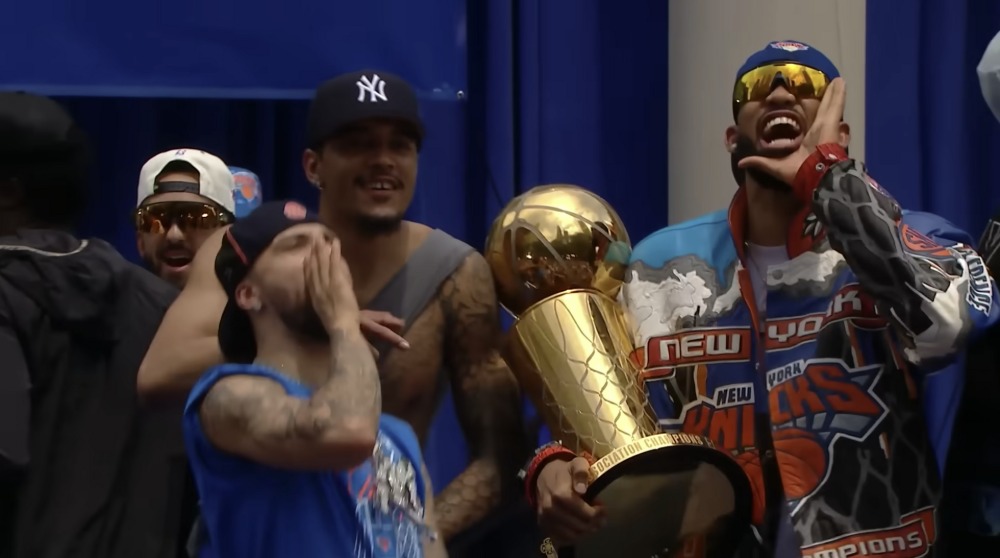
Knicks players enjoying the title in front of the Larry O’Brien Trophy, at the June 2026 City Hall celebration. Source: Wikimedia Commons · CC BY 4.0
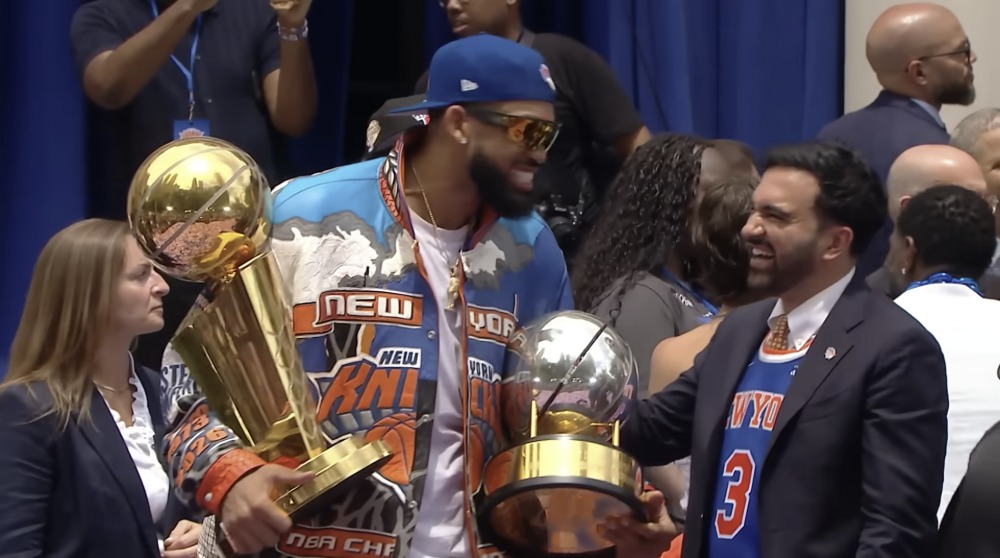
A Knicks player greeting a city official while holding the championship trophy and the Eastern Conference trophy. Source: Wikimedia Commons · CC BY 4.0
A Comparison With the KBO and K League
The first team in Korean professional baseball to introduce dynamic pricing, which adjusts prices in real time, was the NC Dinos in 2022.
It fixes prices a week before each game based on variables like the opponent’s strength, the schedule, and the standings, and ticket revenue reportedly grew from ₩6 billion in the first year to ₩9.2 billion the next.
NC has kept the experiment going since, rolling out an even more granular version that prices down to the individual seat.
I don’t think this MSG episode is a reason to rethink dynamic pricing itself.
What it does leave behind is a lesson: in stretches like right after a title, when demand spikes overnight, a person really needs to double-check the numbers the algorithm produces.
After all, the club managed to scratch fan goodwill over a pricing controversy at the very start of a season when any team should feel most confident, as the defending champion.
Since dynamic pricing as a tool has already made its way into Korea, as NC shows, it seems safest to design in a step where a person sanity-checks the system’s prices before they go out.
Leave a Reply