Contents · About 3 min read
📱 View as card news



Early summer 2025.
I toured Dodger Stadium, the LA Dodgers’ home. I expected an old ballpark to feel worn, but seeing it in person I was impressed by how it preserves tradition while actively layering on the latest technology.
As a marketer, my biggest question was how this stadium continues to convert an old asset into new revenue streams.
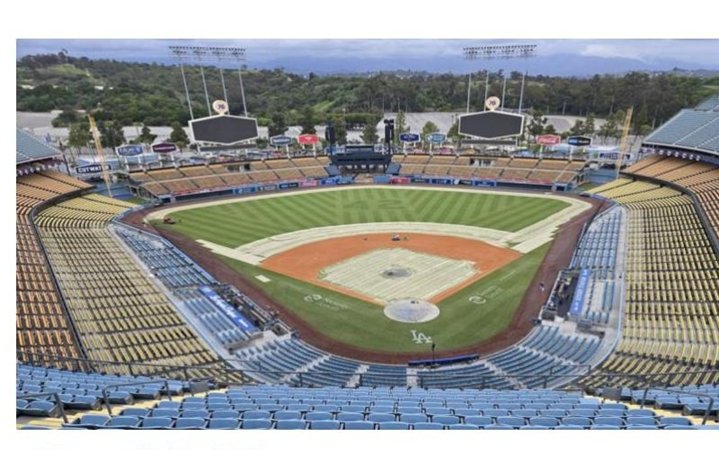
Dodger Stadium — MLB’s Third-Oldest Ballpark
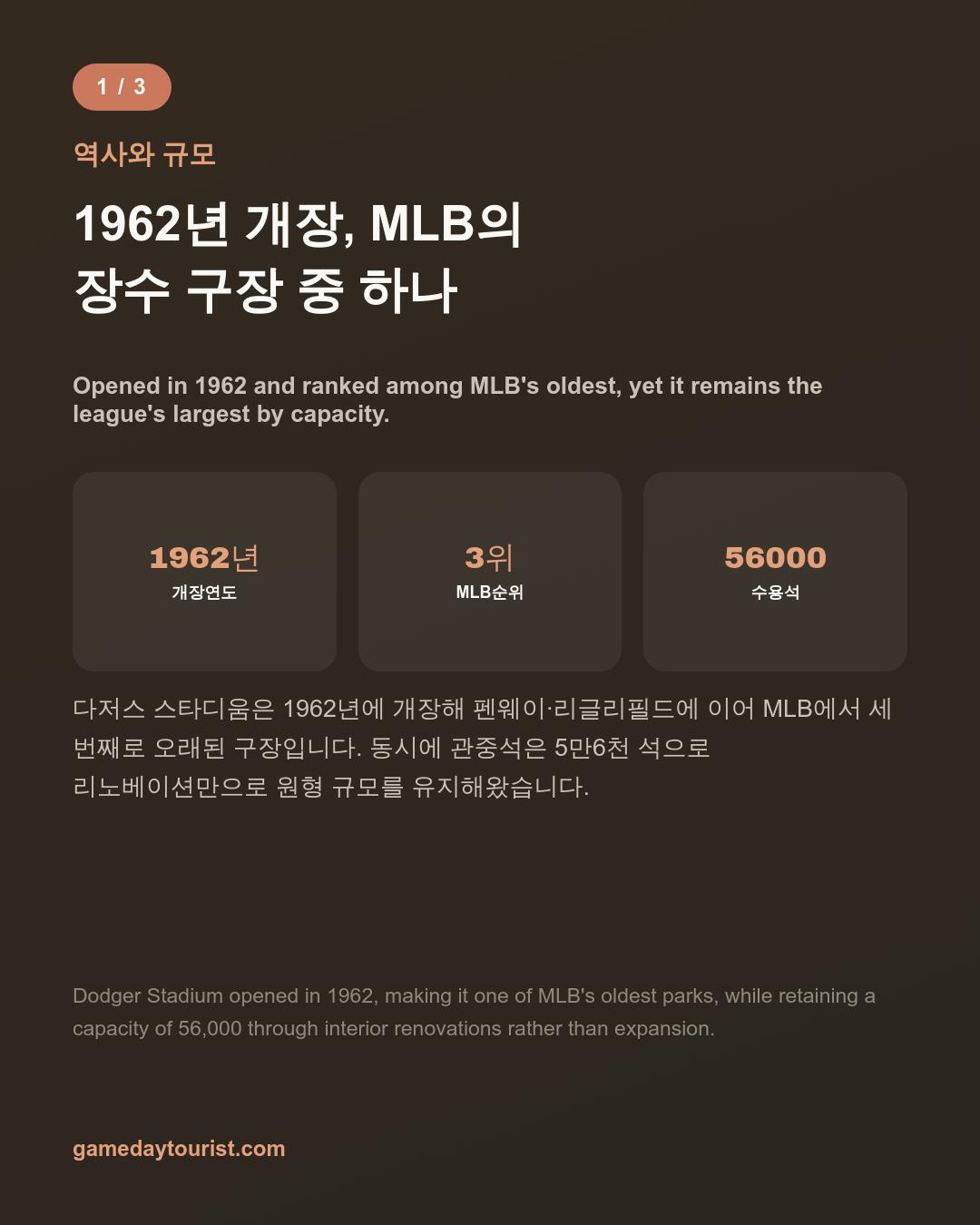
Dodger Stadium opened in April 1962 and is the third-oldest ballpark in MLB after Fenway Park (1912) and Wrigley Field (1914).
Yet its seating capacity is 56,000, the largest among MLB parks. More interestingly, the stadium has never expanded its seating since it opened. It has maintained its original footprint while continuously renovating the interior, and I was surprised to learn the team financed construction of a venue of this size entirely from its own funds.
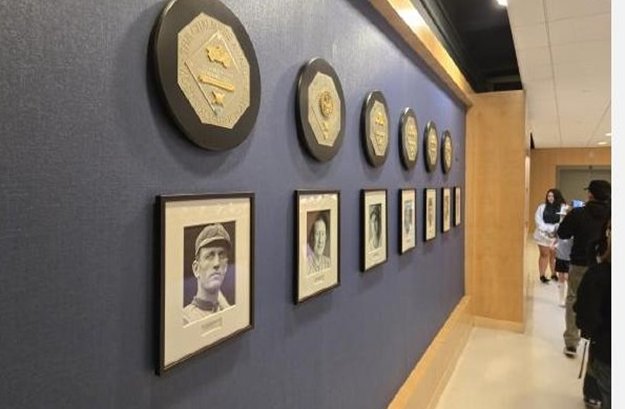
The Dodgers Museum and Hall of Fame
Inside the stadium I found the Dodgers Museum and Hall of Fame.
From broadcaster Vin Scully’s long-time game calls to artifacts related to Jackie Robinson, the space organizes the club’s history and traditions into exhibits.
I got the impression they’ve naturally woven content that new flashy ballparks don’t have into the visitor flow—assets only a long-established club can possess.
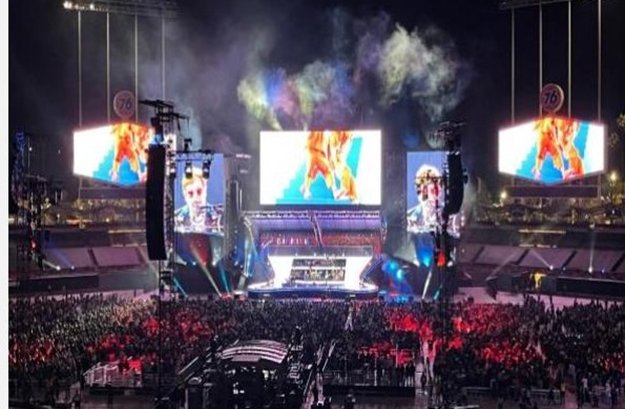
DodgerVision — A Content Team of More Than 30
At the same time, they’ve invested generously in the latest technology.
They operate layered high-definition LED screens—from ribbon boards to the main scoreboard and auxiliary displays—under their own brand ‘DodgerVision,’ and I heard they have more than 30 dedicated staff producing and broadcasting those video contents in real time.
Running a content production team of that scale for a single ballpark is hard to imagine for domestic clubs.
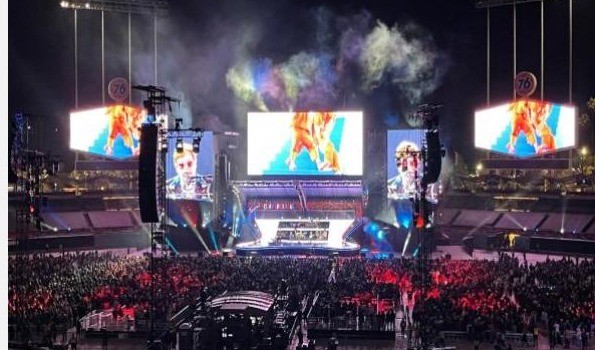
Thanks to this infrastructure, they also attract large international events like major concerts on days without baseball games.
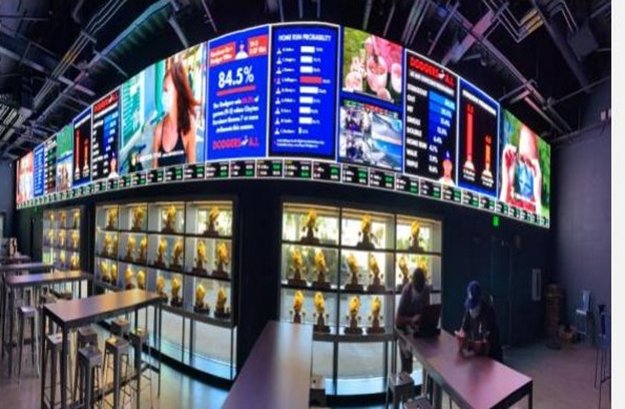
Dodgers365 — Year-Round Venue Rentals
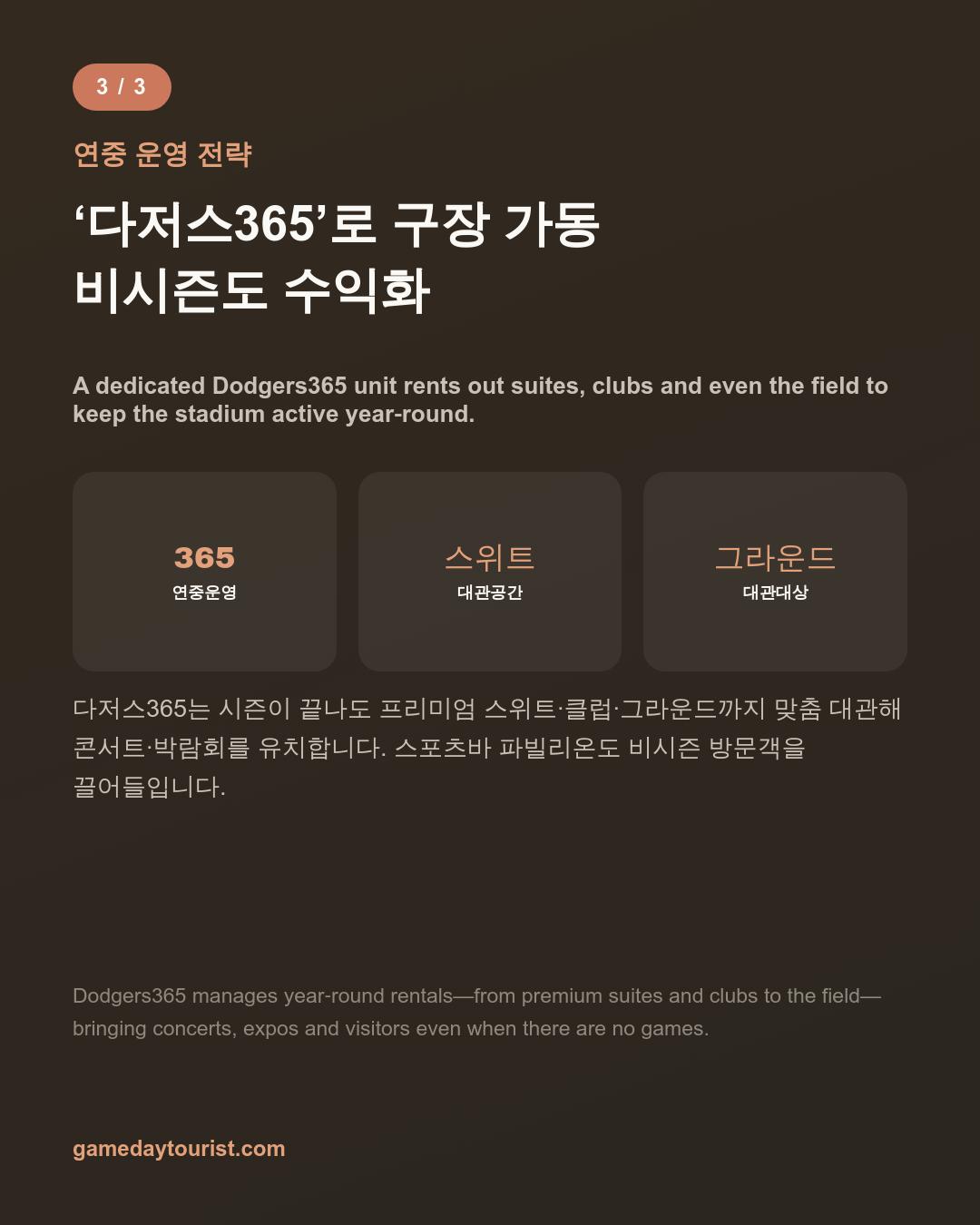
The thing that stood out most was a separate business unit called ‘Dodgers365.’
As the name suggests, it operates the stadium as a rentable venue year-round to diversify revenue. They offer tailored rental services for spaces ranging from premium suites and clubs to the field itself to host concerts, expos, and other events, and the sports bar pavilion inside the stadium functions as another revenue-generating space that draws visitors on non-game days. I found the perspective of treating the stadium not as a facility used only for games but as a year-round business operation particularly striking.
Closing Thoughts
In summary, the lesson from Dodger Stadium is an attitude of combining tradition with revenue diversification.
Rather than hiding its age, the club actively leverages its history through Hall of Fame–type content, and at the same time keeps the stadium busy in the off-season through digital infrastructure and dedicated business units.
I came away thinking domestic clubs—especially older ones—should seriously consider presenting their histories more proactively as visitor content and setting up organizations dedicated to off-season venue rentals.
Leave a Reply