Contents · About 3 min read
📱 View as card news
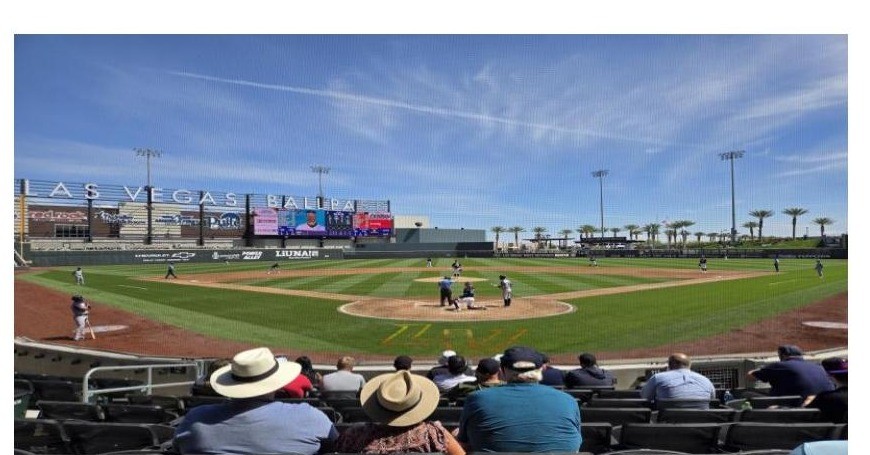
While on a business trip in the U.S., I visited Las Vegas Ballpark. It’s the home stadium of the Triple-A team the Las Vegas Aviators, and I stopped by while arranging a schedule among Major League parks. Once I got there, though, I actually learned more from this place. As a marketer, I felt that you should visit Triple-A parks at least as much as, if not more than, Major League parks.
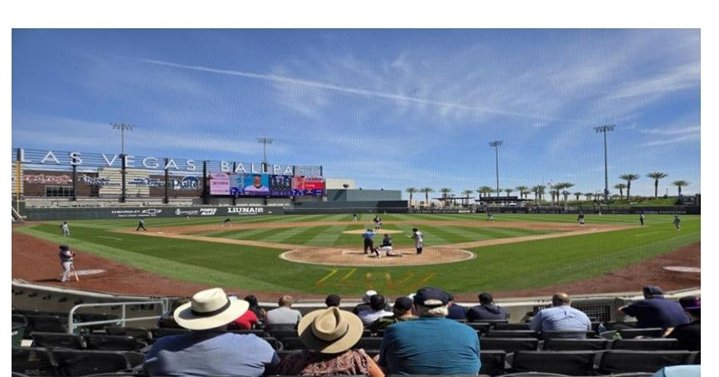
Las Vegas Ballpark — Designed for the Desert Climate
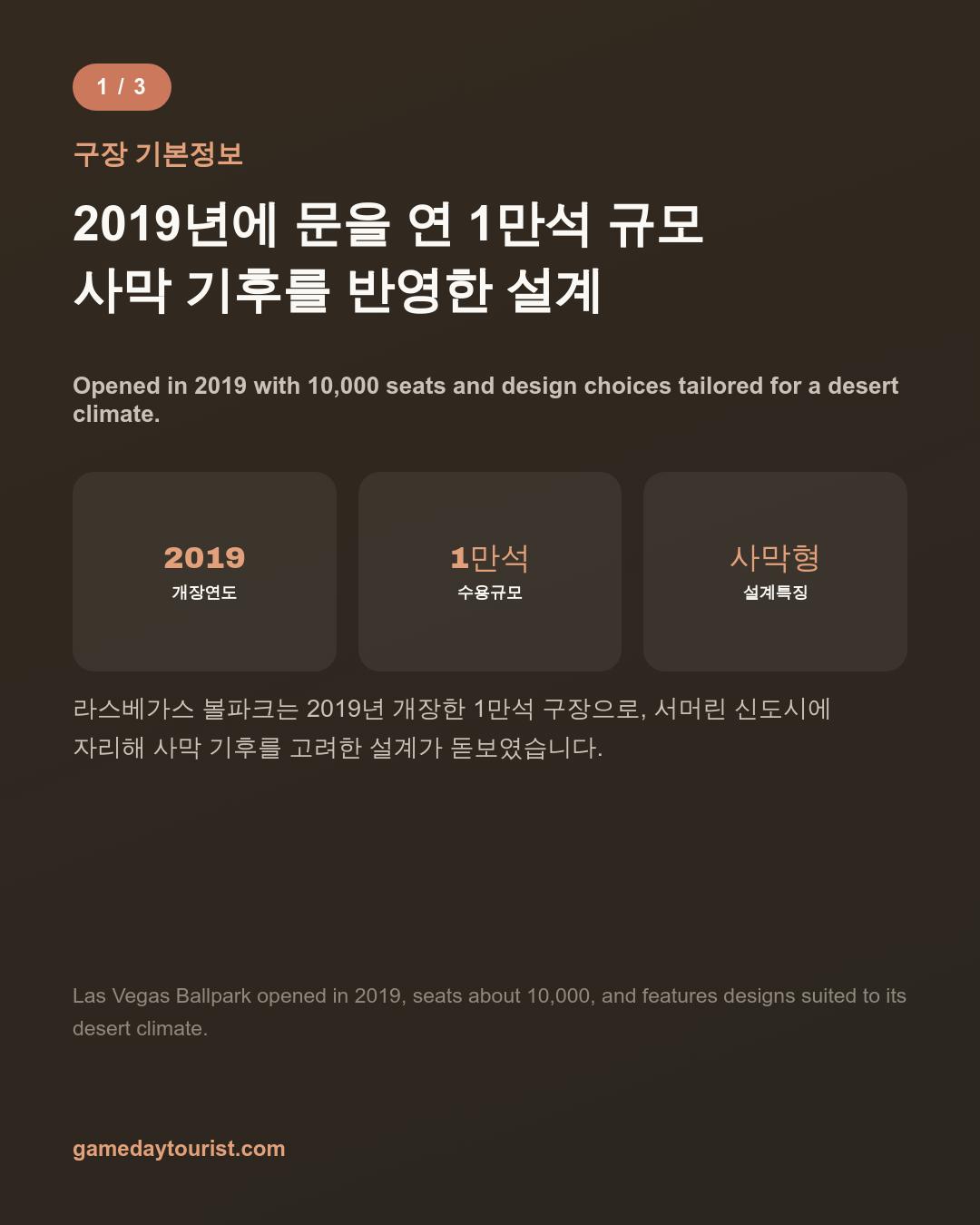
Las Vegas Ballpark opened in 2019 and seats about 10,000. It’s located not in downtown Las Vegas but in Summerlin, a planned suburban community, and you could tell the design accounted for the desert climate in many ways.
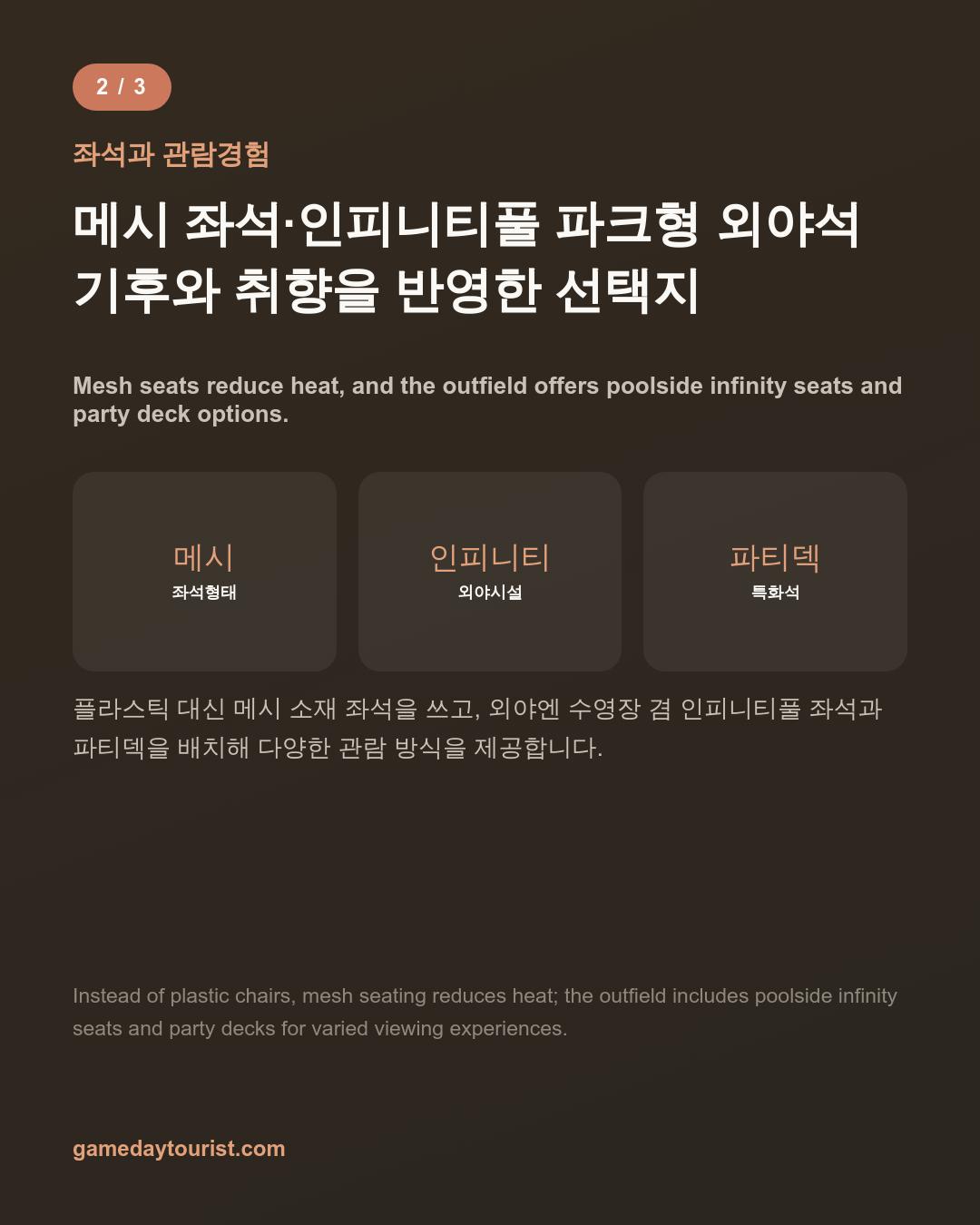
The first thing that caught my eye was the seating. Instead of typical plastic seats, they used mesh material so the seats don’t get as hot even after sitting in strong sun for a long time. They placed specialty seating like party decks and skyboxes in the infield and an infinity-pool-style seating area that doubles as a pool in the outfield, so spectators can enjoy the game in the way they prefer.
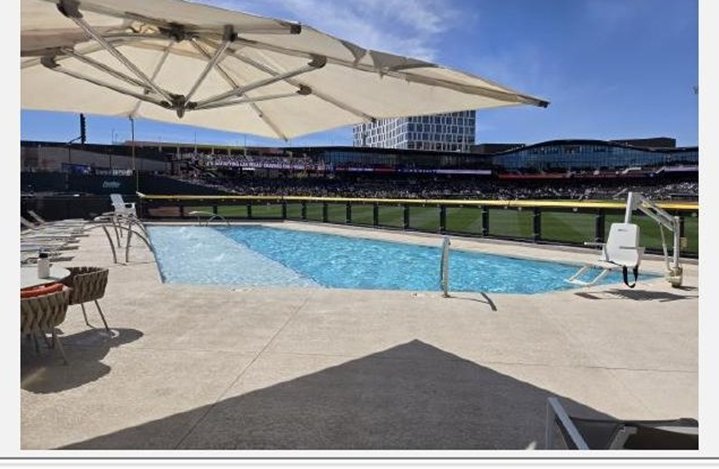
Sitting by the pool in the outfield felt less like watching baseball and more like enjoying a lounge with a pool while baseball plays in the background. Seeing how the local desert characteristics were reflected in each seat reinforced the obvious point that there’s no single right answer that fits every park; you need to find solutions that match the region and climate.
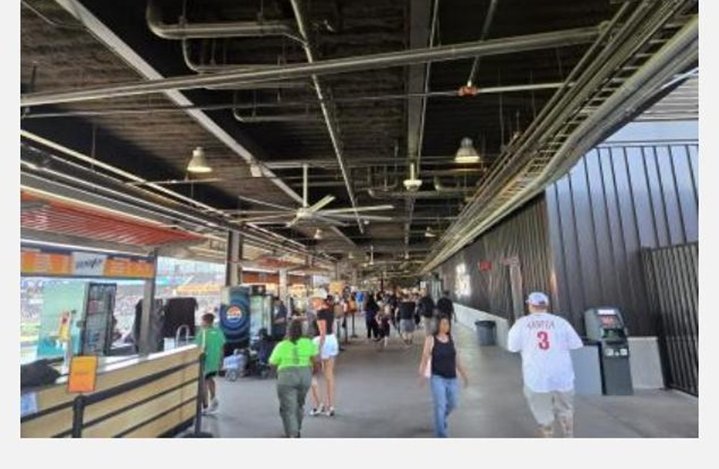
The Concourse Layout, Compared with Domestic Stadiums
The concourse layout was also worth noting. Shops are arranged open toward the field so you don’t miss the game while buying food or standing in line. It seems like a small detail, but for spectators it removes one hesitation about whether to go to a shop. KBO’s new stadiums all follow a concourse layout, but older parks like Suwon, Jamsil, and Busan Sajik still have corridor-style shops. Suwon KT has at least tried to mitigate corridor-style weaknesses by installing a media wall. I might write a separate post about this later.
Finn the Bat Dog — Small Details That Build Fan Experience
Back to the main point: because the club is not very large, they paid more attention to fine details. This park has a bat dog named Finn who retrieves bats and brings them back to the dugout after players finish their at-bats. Watching the crowd laugh at such a small touch — without big events or flashy production — made me realize fan experience doesn’t always come from big budgets.
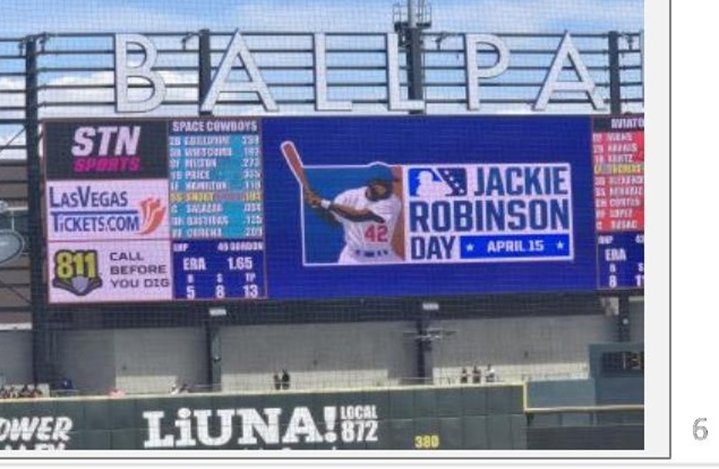
League-Wide Events and Community Programs
There were also events run across the entire Minor League. Jackie Robinson Day is an example that all Major League affiliates observe simultaneously, and the Triple-A parks displayed the same message on their scoreboards that day, giving the impression the whole league is connected by a single story. They also run programs inviting entire nearby elementary schools to weekday morning games, showing how closely tied the park is to the local community even without being in a major market.
Closing Thoughts — What Triple-A Parks Teach
Major League parks impress with scale and symbolism, but the details a marketer can apply directly in the field were more abundant at the Triple-A park. Under constrained budgets and markets, how you design a seat, a circulation path, or an event to be fan-friendly becomes much clearer. I felt many aspects were more aligned with the conditions of domestic clubs. So if a marketer is considering overseas benchmarking, I’d recommend visiting Triple-A parks just as much as flashy Major League ballparks. You can learn more from small details than from the big picture.
Leave a Reply