Contents · About 3 min read
📱 View as card news

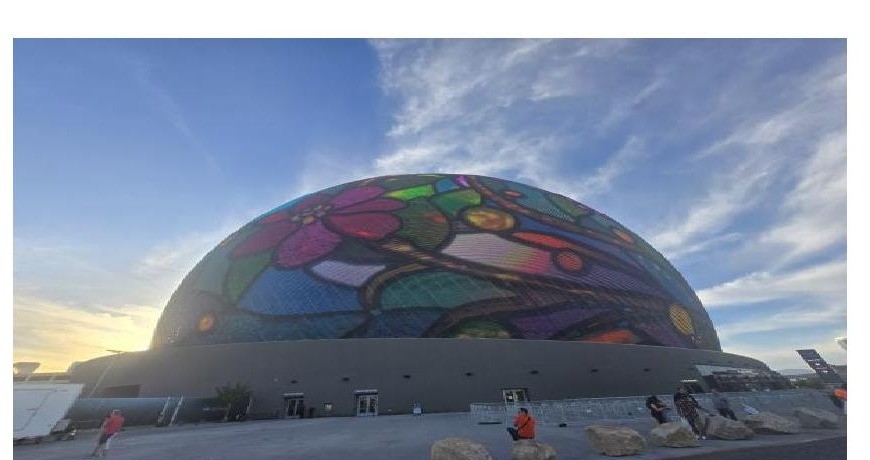
I included the Sphere on my Las Vegas business trip purely out of curiosity. It’s neither a baseball stadium nor a basketball arena, so I wanted to see for myself why this building keeps appearing on sports marketing benchmarking lists.
After visiting, I had one thought. This isn’t just a venue — the building itself is a marketing asset.
Sphere — When the Building Itself Is the Marketing Asset
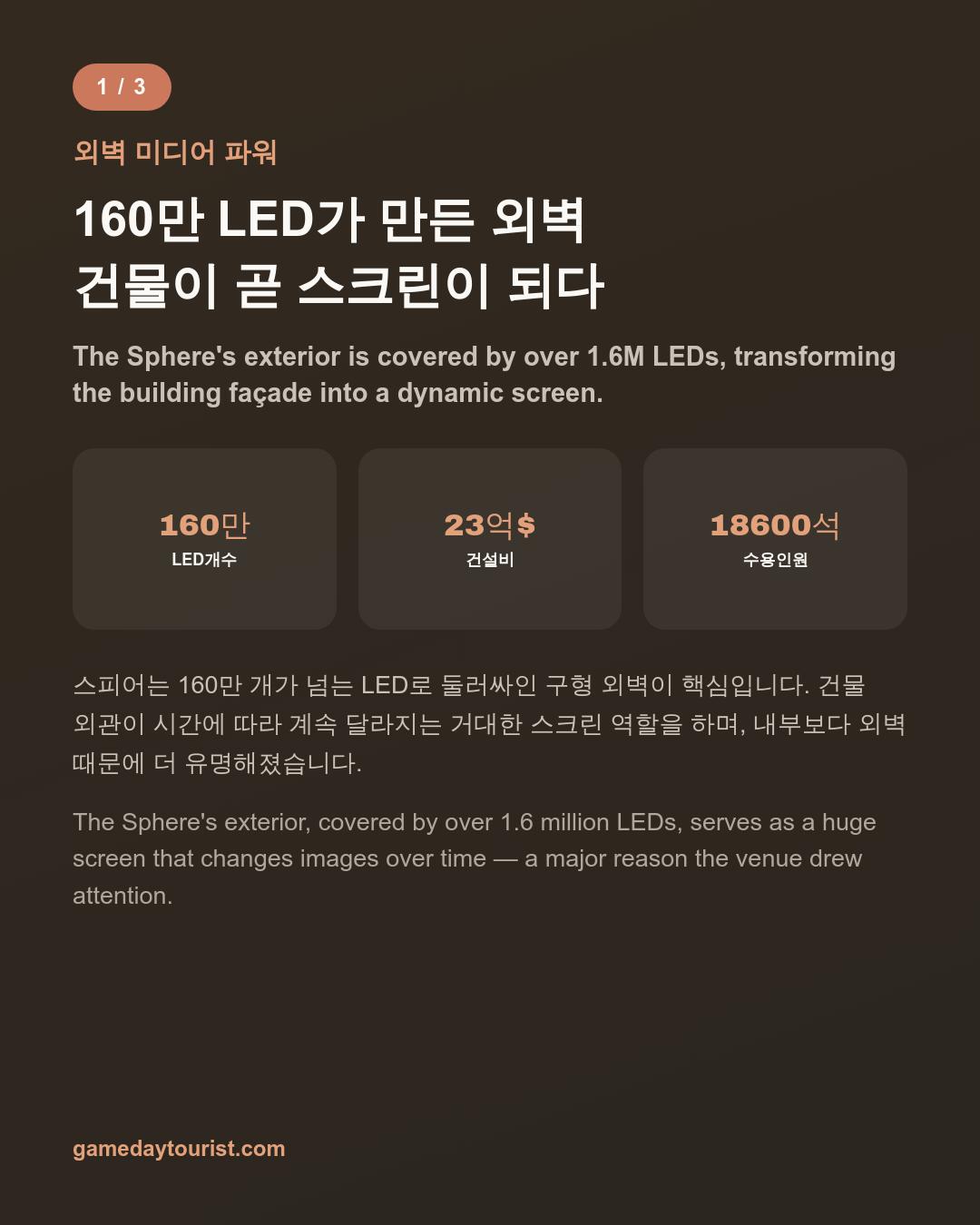
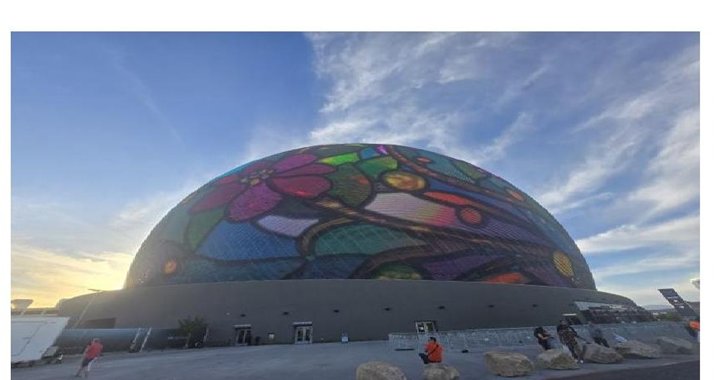
The Sphere opened in September 2023 as a multipurpose venue with 18,600 seats. Construction alone cost $2.3 billion — nearly 3 trillion won. It’s used for concerts, sports, and conferences, but what made it famous wasn’t the interior so much as the exterior. The spherical surface is covered with more than 1.6 million LEDs, turning the entire exterior into one enormous screen. When I was there a stained-glass pattern was displayed; a few hours later it had changed to a completely different image.
It felt like it broke the common-sense idea that a building has a fixed facade.
Sphere as a Media Platform
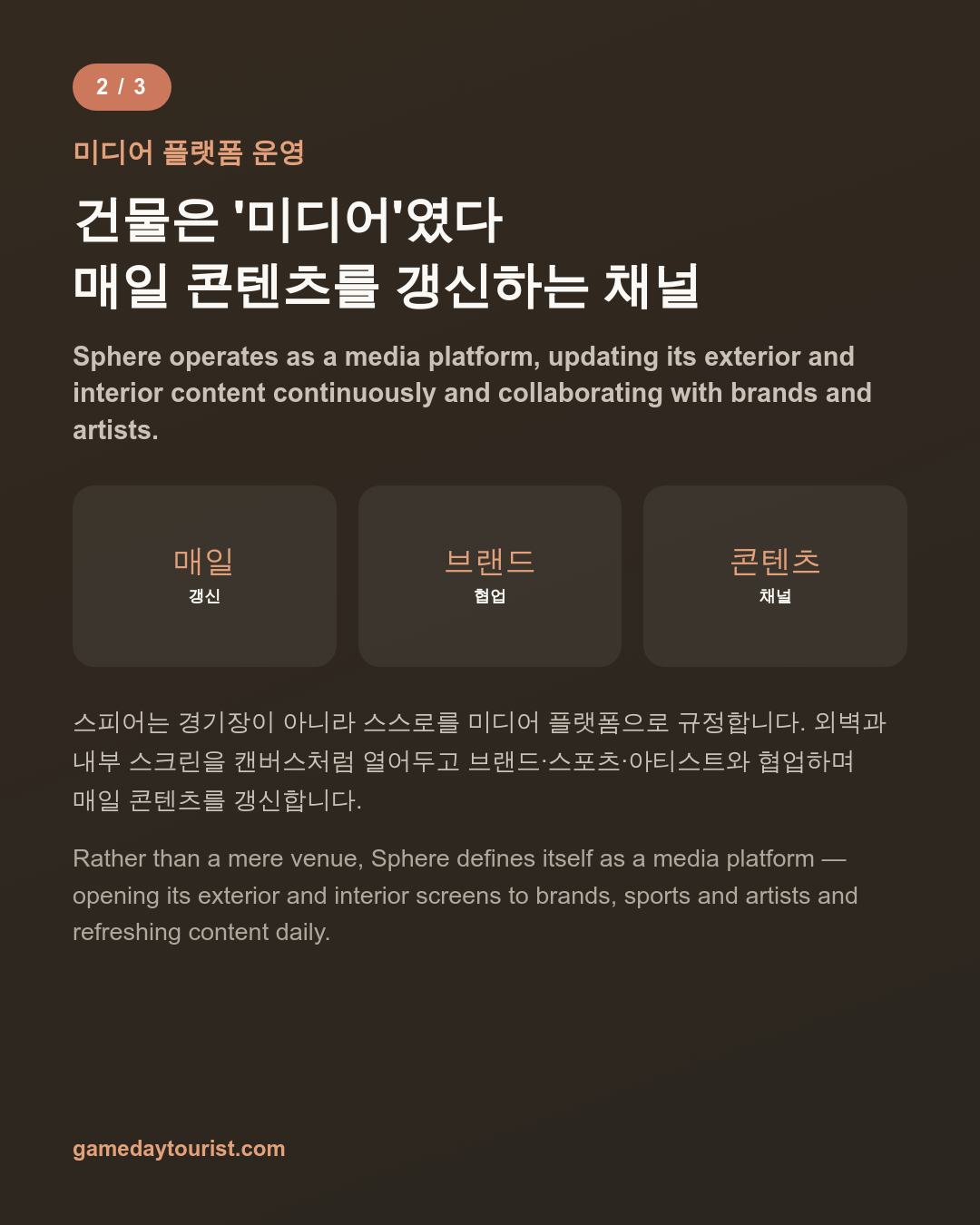
What made it stand out to marketers is that the Sphere defines itself not as an arena but as a media platform. It treats the exterior and interior screens as a canvas, continuously displaying new images through collaborations with brands, sports, artists, and game content. The building isn’t hardware that only lights up during events — it’s operated as a media channel that refreshes content daily.
A 16K Wraparound Screen and 4D Effects
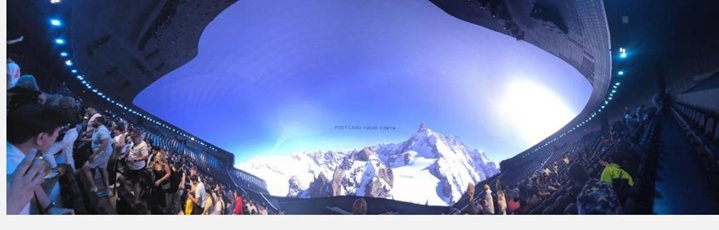
Inside, the scale overwhelms you again. A 16K resolution wraparound LED screen fills your field of view, and a sound system using beamforming technology is combined with 4D effects — temperature, wind, and scent.
In there, the audience isn’t simply watching content — they’re inside the content. I got the impression the experience is designed so spectators aren’t passive viewers but the protagonists of the experience itself.
A Brand Experience That Continues to the Exit
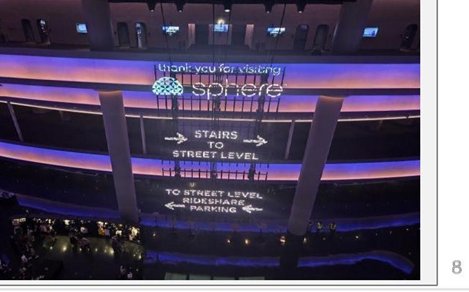
What I found interesting was that this immersion doesn’t end inside the venue. Even the directional signs leading to the exits were treated as LED installations, so the brand experience was designed not to break the moment you descended the stairs after the show. Seeing this made me realize that spatial marketing treats the entire flow from start to finish as content.
Closing Thoughts — Turning Exteriors Into Media Assets
On the flight back to Korea I kept thinking that we haven’t yet used stadium exteriors this proactively. In domestic venues, exteriors are mostly finished with static materials, and media elements remain confined to the scoreboard area.
Whether it’s a newly built dome or a future renovation of an existing stadium, I’ve made up my mind to push for treating the exterior itself as a media asset that carries brand and fan experiences. Even if it’s not on the scale of the Sphere, I believe the idea that a building itself can be marketing can be brought to domestic stadiums.
Leave a Reply