📱 View as card news
This was the first time I’d watched a defending champion franchise change hands entirely, up close.
On September 3, word came that the sale of the Seattle Seahawks, American football’s (NFL) reigning Super Bowl champions as of this past February, had officially closed.
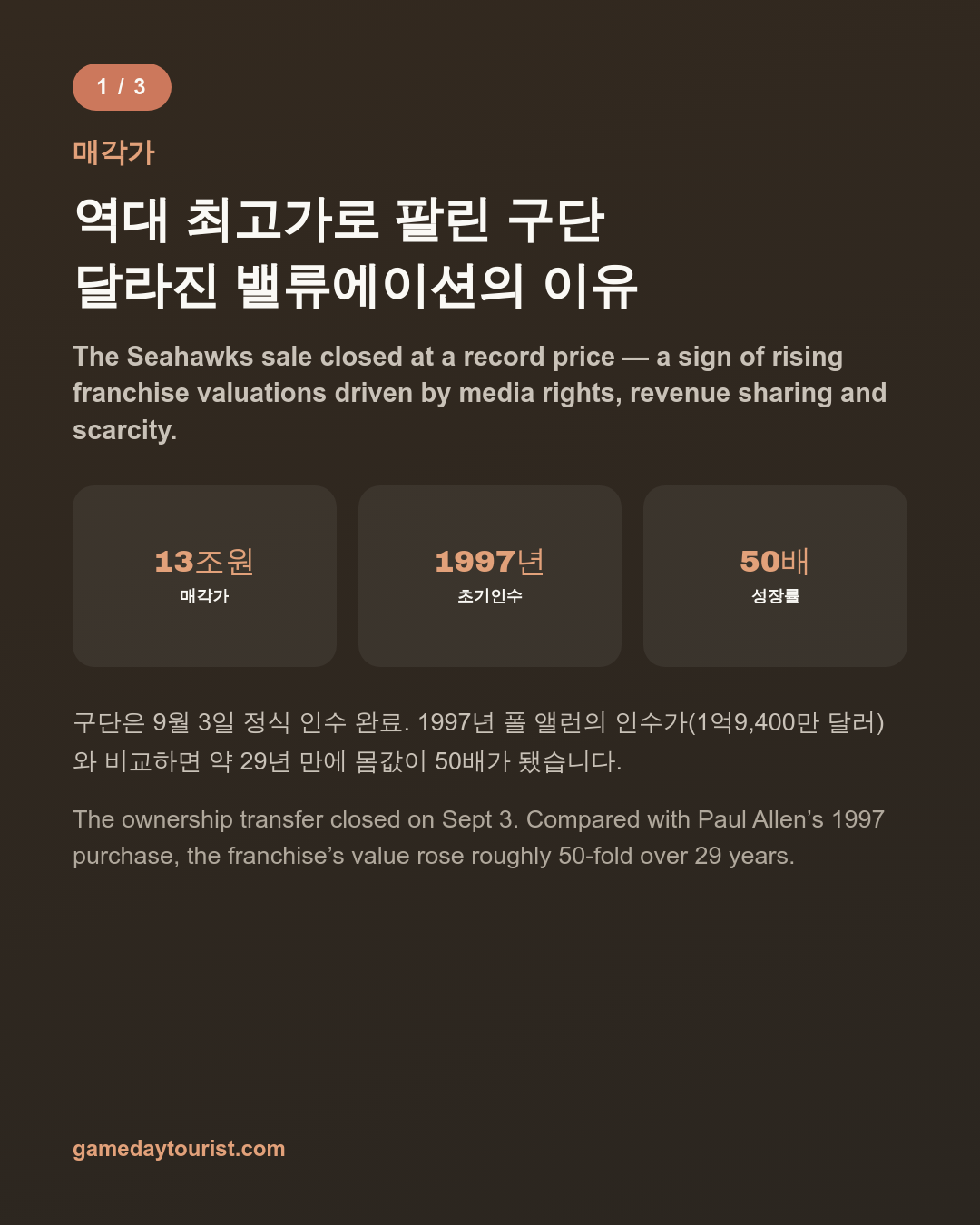
The sale price was $9.612 billion, roughly ₩13.23 trillion.
As a working marketer, I’ve seen plenty of overseas club sales run into the trillions of won, but this one was on a different scale entirely, so I decided to take a proper look at the business behind the Seahawks’ home ground, Lumen Field.
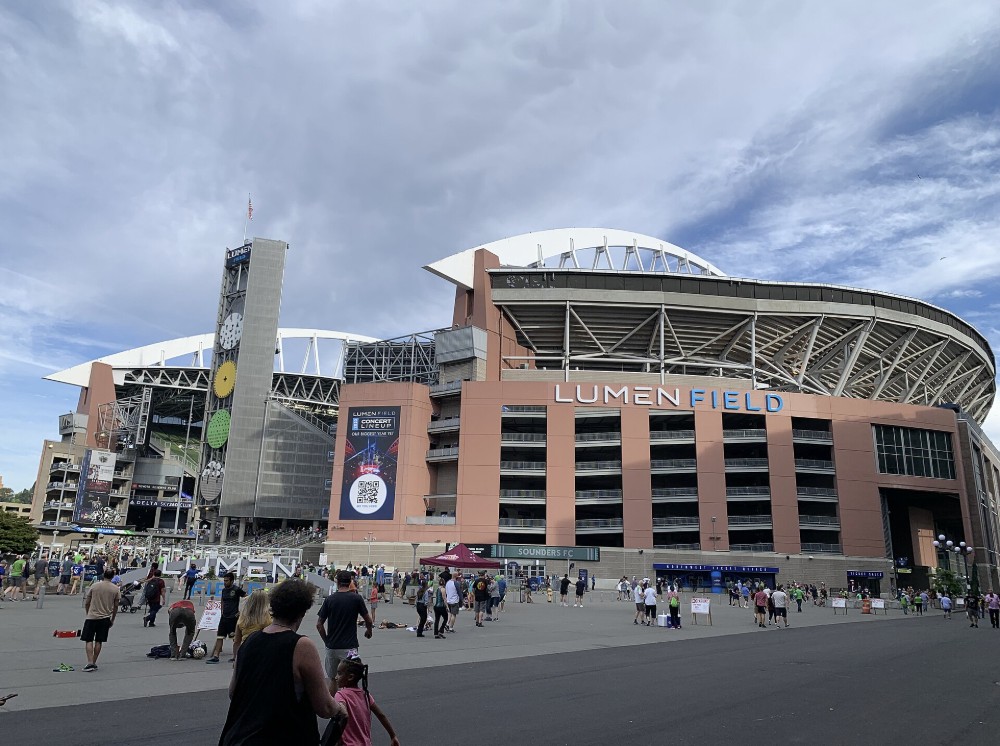
Lumen Field exterior, photographed July 2023 · Source: Wikimedia Commons (PCN02WPS, CC BY-SA 4.0)
The Sale and Its Valuation — Where the $9.6 Billion Comes From
The Seahawks sale began on July 11, when the estate of the late Paul Allen and venture capitalist Vinod Khosla’s family announced a $9.612 billion sale agreement.
NFL owners unanimously approved the sale on August 26, and the official transaction closed on September 3.
That price surpasses the $6.05 billion the Washington Commanders sold for in 2023, making it the highest price ever paid for an NFL franchise, and one of the largest valuations in North American sports altogether.
What’s more interesting is the point of comparison.
Paul Allen, the Microsoft co-founder, paid $194 million to buy the team back in 1997.
That’s roughly a 50-fold increase in value over 29 years.
Sportico calculated that this purchase price works out to 13.6 times the Seahawks’ 2025 season revenue (over $700 million), reportedly the highest revenue multiple ever recorded for a franchise sale.
The makeup of the new ownership family is also notable.
Khosla Ventures founder Vinod Khosla serves as chairman, his wife Neeru Khosla is the controlling owner and chair of the club’s charitable foundation, and their son Neal Khosla is vice-chairman.
As a condition of NFL approval, the Khosla family had to divest its existing stake in the San Francisco 49ers — a real-world example of how the league’s cross-ownership rule, which bars one owner from holding stakes in multiple franchises at once, actually plays out.
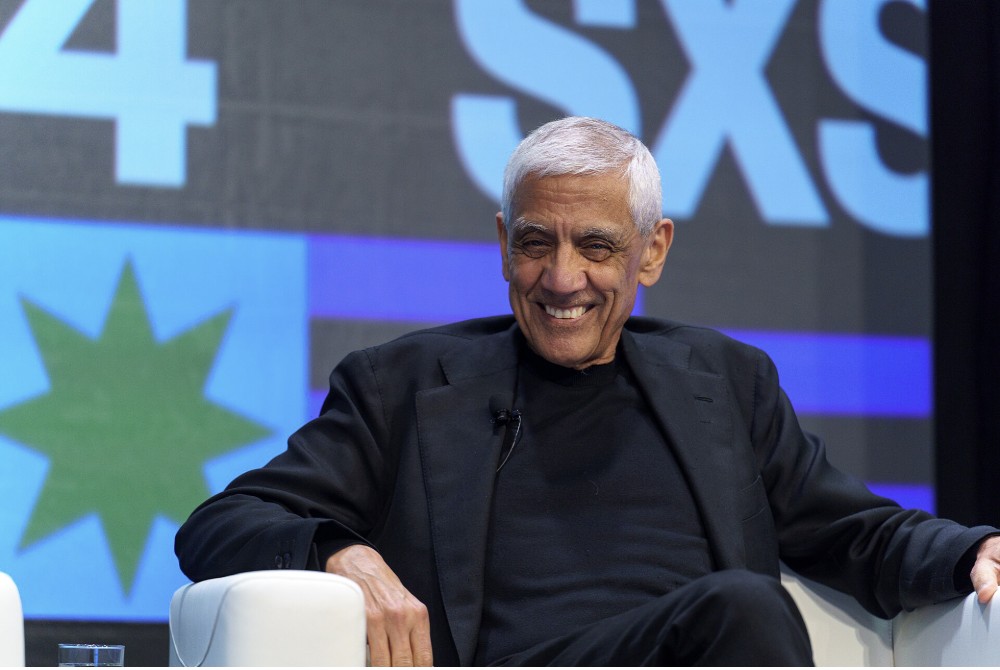
New owner Vinod Khosla, pictured at the SXSW event in March 2024 (photographed before the Seahawks acquisition was announced) · Source: Wikimedia Commons (Jay Dixit / WikiPortraits, CC BY 4.0)
The numbers feel almost unreal on their own, but sports business analysts like S&P Global point to expanding broadcast rights, league-wide revenue sharing, and investment demand that far outstrips a franchise supply locked at 32 teams as the drivers behind this kind of valuation surge.
As a marketer, it struck me as a case where the premium attached to a genuinely scarce asset had just been confirmed in hard numbers.
Attendance and Tickets
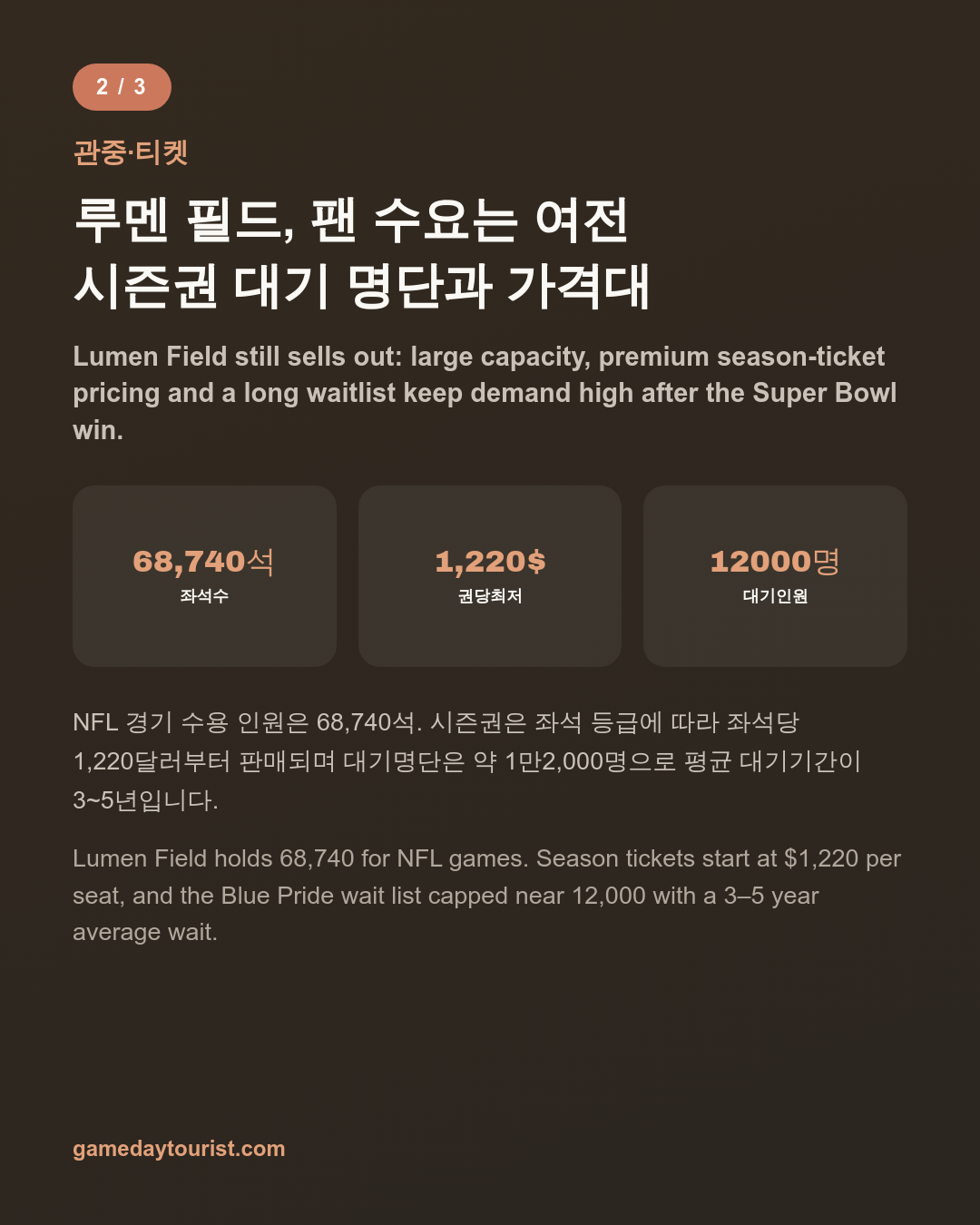
Lumen Field’s capacity for NFL games is 68,740, and it can expand to roughly 72,000 for concerts and other events.
Season tickets for the 2026 season run from $1,220 to $5,860 per seat depending on tier, and the season-ticket waitlist (the Blue Pride Wait List) is closed at around 12,000 names, with an average wait time of three to five years.
Entering the new season as the reigning Super Bowl champion from this past February, ticket demand looks set to stay red-hot for a while yet.
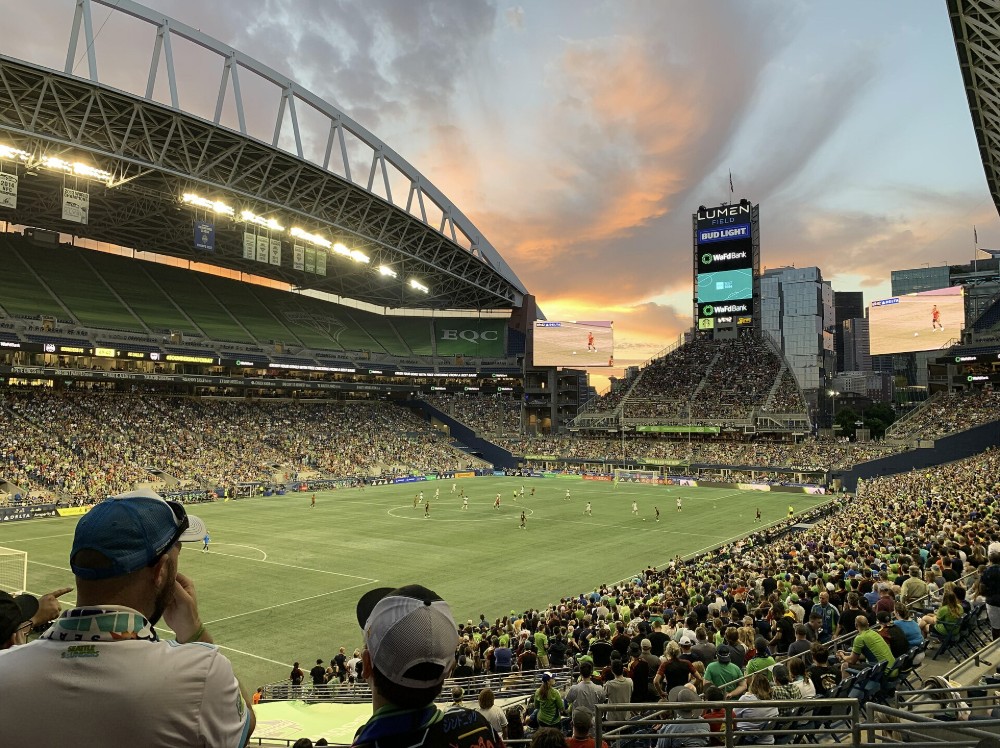
Inside Lumen Field during a Seattle Sounders match in July 2023, captured with the sunset (a different team’s match, since the venue is multi-purpose) · Source: Wikimedia Commons (PCN02WPS, CC BY-SA 4.0)
Space and F&B
For the stadium’s 20th anniversary in 2022, Lumen Field rolled out a major space overhaul called “Fanovation.”
The upper concourse got a new roughly 6,300-square-foot premium space called the “Cityside Bar,” with two 40-foot bars positioned facing the field, and the south upper deck opened a checkout-free “District Market” featuring food from Seattle’s International District.
A “Tunnel Club” offering premium pregame dining also opened next to the home locker room, and a remodel of the Delta Sky360 Club lounge wrapped up in 2024.
This shift toward redesigning F&B space as a destination in its own right, rather than just concession stands, seems like something Korean stadiums facing new construction or renovation could take a look at.
Merchandise and Ad Inventory
The official pro shop, located both inside Lumen Field and in nearby Renton, is currently selling a jersey, apparel, and hat lineup marking the club’s 50th anniversary (founded in 1976).
On naming rights, telecom company Lumen Technologies (formerly CenturyLink) has held the stadium name since 2011, and in 2017 it extended its 15-year deal for $162.7 million, pushing the term out to 2033.
When the parent company rebranded from CenturyLink to Lumen Technologies in 2020, the stadium name changed along with it to today’s “Lumen Field.”
How the club manages its ad inventory is also worth a look.
According to MarketScale, the Seahawks run a “Small Business Program” with Eleven Sports Media that sells exposure — everything from spots around Lumen Field to digital boards on non-game days — to local small businesses.
For a new owner who just paid a record price for the club, it seems only natural that the incentive to more precisely manage revenue levers the club can directly control, like ticketing policy or sponsor inventory, would only grow stronger.
The Stadium’s Signature Tradition
You can’t talk about the Seahawks without mentioning the “12th Man” tradition.
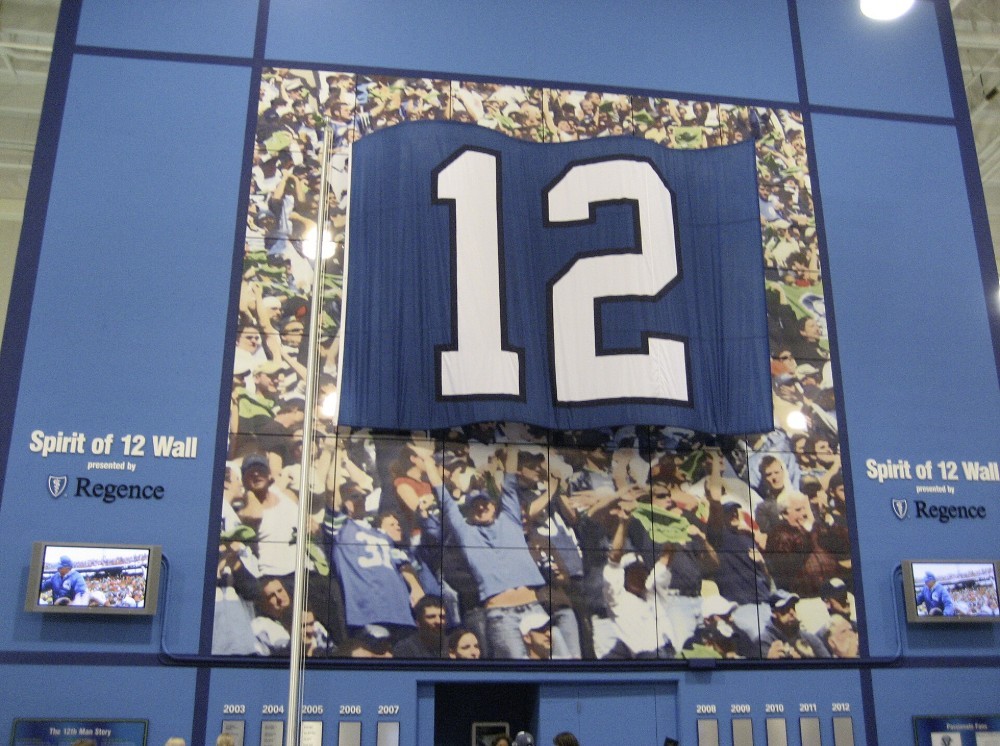
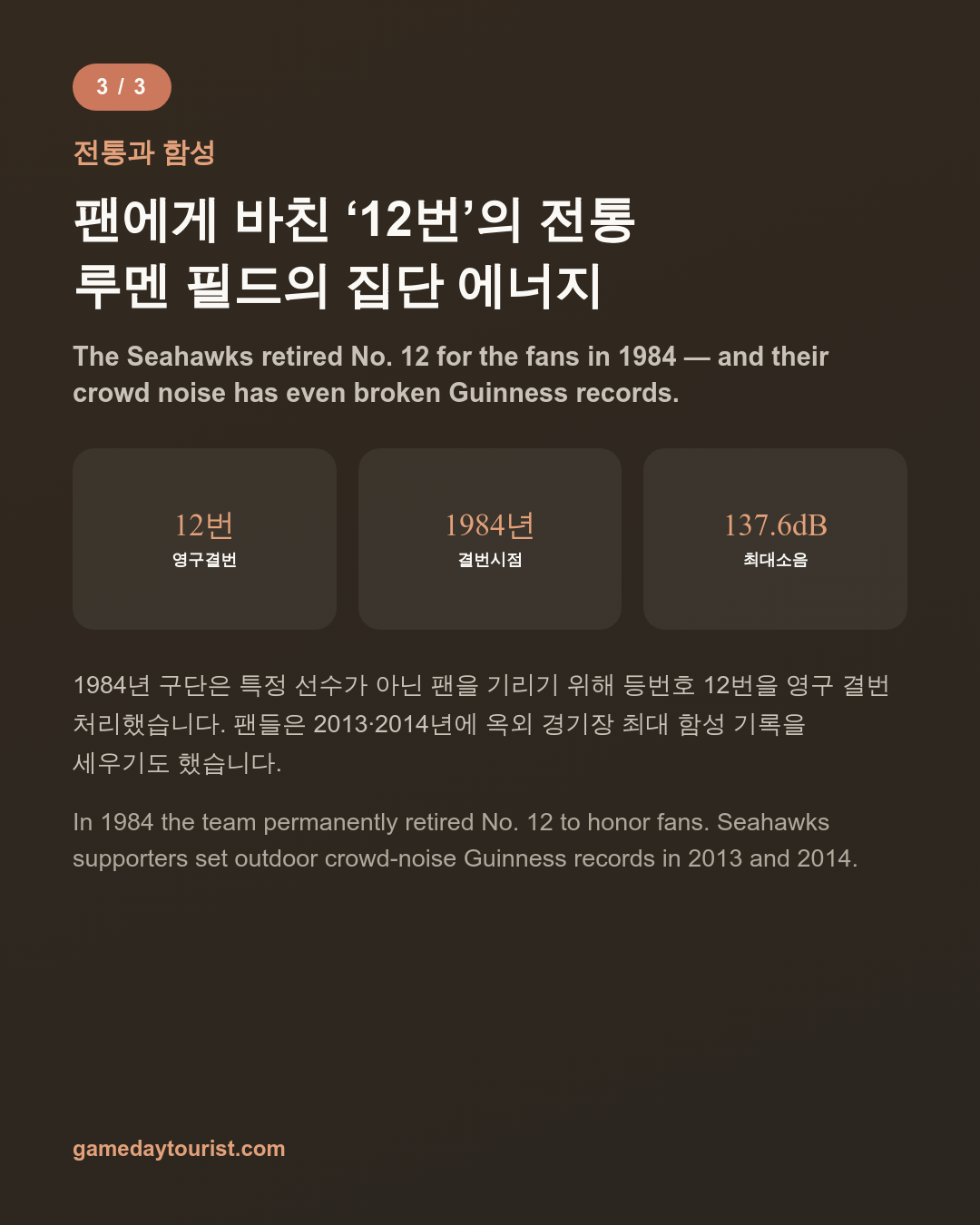
On December 15, 1984, the Seahawks became the first team in pro sports history to permanently retire a jersey number — 12 — in honor of the fans rather than any individual player.
That’s why the No. 12 jersey on display carries the word “FAN” on the back instead of a player’s name.
The west entrance houses a mural honoring the tradition (the Spirit of 12 Wall), and Seahawks fans have actually broken the Guinness World Record for loudest outdoor stadium crowd twice, in 2013 and 2014 (136.6 dB and 137.6 dB, respectively).
The “Hawks’ Nest” section at the top of the south end zone is famous for being especially loud, and one American stadium review outlet described the noise there as sounding “like a jet engine and a marching band welded together.”
Reading actual fan accounts of the atmosphere, it struck me as a marketer that few stadiums design this extreme a gap in intensity between seating tiers.
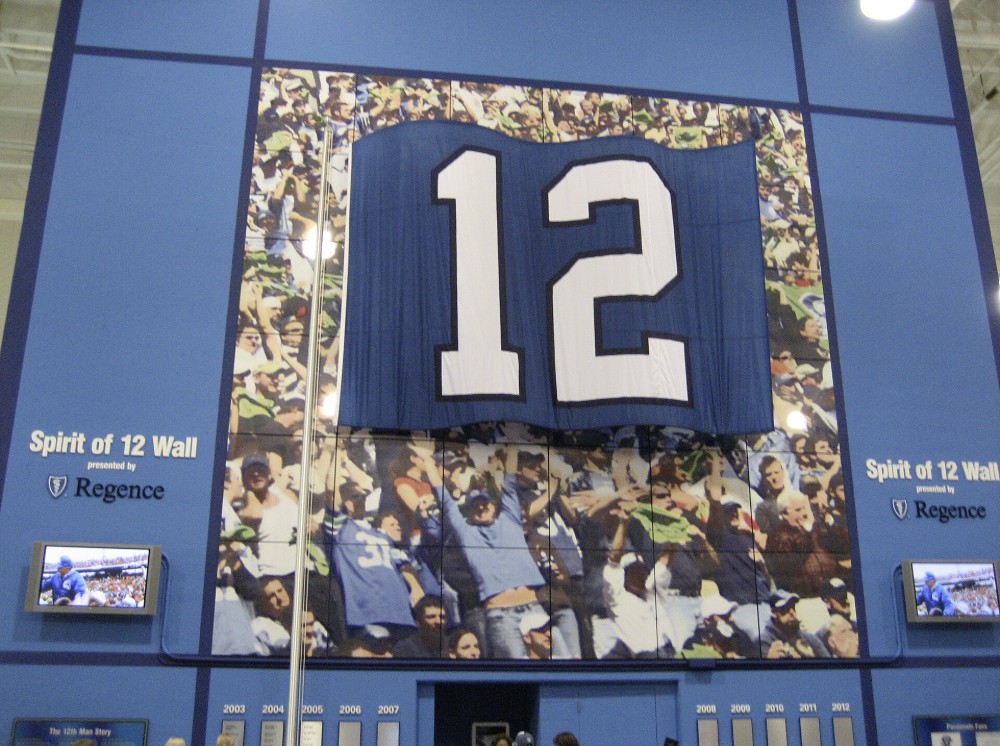
The retired No. 12 jersey and the “Spirit of 12” wall display, photographed August 2006 · Source: Wikimedia Commons (Tom McDonald / Jason Fierle, CC BY-SA 2.5)
A Comparison With the KBO and K League
Compared to Korean club sales, the gap in scale is stark.
In 2021, Shinsegae Group’s acquisition of SK Wyverns (now SSG Landers) — the equity stake plus real estate — from SK Telecom came to a total of ₩135.28 billion.
Set against the Seahawks’ ₩13.23 trillion sale price, that’s roughly a 98-fold gap.
S&P Global points to the scale of nationwide broadcast rights unique to North America’s four major sports, league-wide revenue sharing, and a franchise supply locked at 32 teams that rarely expands as the reasons behind that gap.
A direct comparison is tricky given how differently the KBO structures its broadcast rights and franchise expansion at a league level, but how to grow the value of a pro club as a “tradeable asset” still seems like a case worth watching for anyone in club marketing back home.
Lumen Field itself opened in 2002, meaning it’s already more than 20 years old.
Even so, peeling back the layers on the sale price, tickets, F&B, and ad inventory left me with the impression that it’s the software-side operational ability to keep refilling aging hardware with new revenue structures that ultimately props up a club’s value.
That kind of operational detail hiding behind the trillion-won sale headline is exactly what stuck with me the longest after looking into this case.
Leave a Reply